

Ötztaler Radmarathon training with ChatGPT or Claude.
Prepare for 227 km, 5,500 m and the Timmelsjoch still to come at 196 km. Athmex gives your AI coach your event, FTP and the hours you really have. Create your free profile and we’ll show you the options for bringing your recent rides into the same conversation.
You. Your fitness. Your activity data. Together in Claude and ChatGPT.
Can ChatGPT or Claude help you train for the Ötztaler Radmarathon?
Yes. ChatGPT or Claude can help you work out whether your long climbing days point towards 5,500 m, shape a build towards a late-August start while you wait for the draw, and pace Kühtai, the Brenner and the Jaufen so the Timmelsjoch is still rideable. It needs your FTP and when you tested it, your weight, your lowest gear, your longest recent days and the hours you can train.
Athmex keeps those in one athlete profile that ChatGPT or Claude can use in every conversation. The assistant gives the advice; Athmex keeps the context current.
- Event
- Ötztaler Radmarathon (the organiser’s English name is the Ötztaler Cycle Marathon)
- 2027 date
- Sunday 29 August 2027
- Start and finish
- Sölden, Tyrol, Austria
- Route
- 227 km with 5,500 m of climbing and 5,500 m of descent
- Passes
- Kühtai 2,020 m, Brenner 1,377 m, Jaufen 2,090 m and Timmelsjoch 2,474 m
- Highest and lowest
- 2,474 m on the Timmelsjoch; 600 m at Innsbruck
- Places
- About 4,000 starters
- Entry
- The organiser’s registration period starts in January; places are limited and drawn
- Rule
- Riders must ride with their own muscle power
Date, distance, climbing and places are from the organiser’s event page, which shows the 2027 date and the 2026 race. Pass altitudes and feed kilometres are from the organiser’s route page, which names no edition. Entry timing is the 2026 pattern until the 2027 dates appear.
Your recent rides belong in the conversation too
An Ötztaler build starts before you know if you have a place, and most of it happens a long way from a 2,000 m pass. The useful questions come from how your longest climbing days compare with one that gives you the highest climb last.
When your rides reach ChatGPT or Claude through your training platform’s own connection, your coach can see how the long days and the climbing are building, and what your power looked like on them. Routes differ by platform and by assistant.
Athmex doesn’t import activity. It keeps the context those rides are read against: your event, route, FTP, weight, weekly hours and constraints. Build your free athlete profile and Athmex will show you the best available way to bring your rides into ChatGPT or Claude for your setup.
From Athmex
Your event, route choice, FTP and when you tested it, weight, weekly hours, injuries and constraints.
From your training platform
The rides you’ve done, from Garmin, Wahoo, Strava and others, where a route exists for your setup.
In ChatGPT or Claude
One coaching conversation that can use both when you ask about your Ötztaler build.
Four passes in order, and where the 5,500 m falls
The Ötztaler leaves Sölden, goes down the Ötz valley and climbs to Kühtai, then drops to Innsbruck, the lowest point of the day at 600 m. From there it climbs to the Brenner, crosses into South Tyrol for the Jaufen, and returns over the Timmelsjoch, the highest point at 2,474 m.
| Order | Pass | Altitude | Climb the organiser gives | Feed station |
|---|---|---|---|---|
| 1 | Kühtai | 2,020 m | Oetz to Kühtai, 18 km | 49 km |
| 2 | Brenner | 1,377 m | Innsbruck to the Brenner, 37.5 km | 121.5 km |
| 3 | Jaufen | 2,090 m | Sterzing to the Jaufen, 15.5 km | 153 km |
| 4 | Timmelsjoch | 2,474 m | St. Leonhard to the Timmelsjoch, 29 km | 196 km |
Those four climbs add up to 100 km of the 227 km. The first, Kühtai, is also the one with the biggest drop after it: from 2,020 m down to 600 m at Innsbruck. The Brenner is the lowest of the four passes, which makes it the easiest to underrate before the Jaufen and Timmelsjoch.
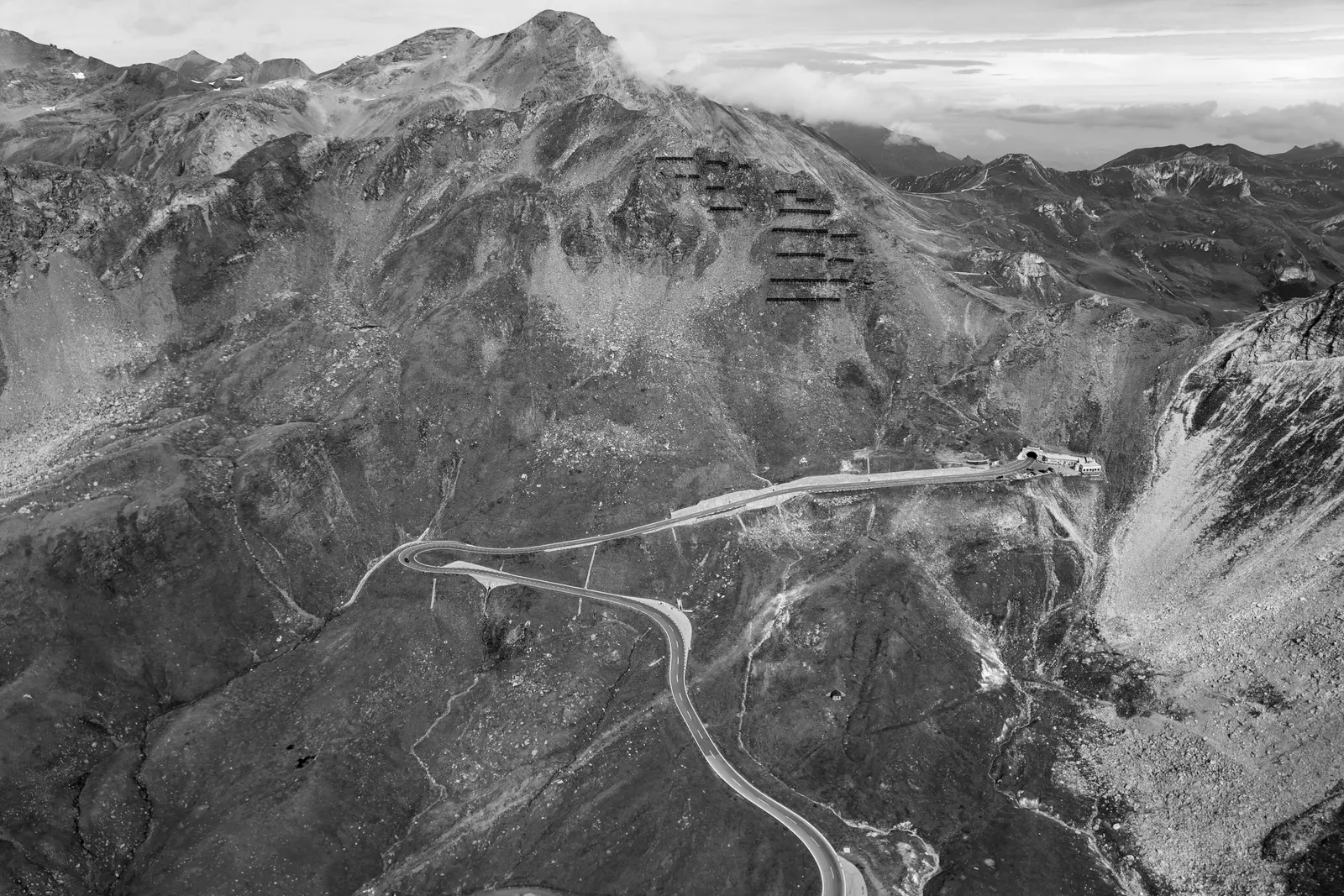
The Timmelsjoch at 196 km, with 31 km to ride to Sölden
The Timmelsjoch is the top of the day and nearly the end of it. The organiser lists its feed station at 196 km, which leaves 31 km to ride to Sölden. By then you have already done three passes and about 190 km, so the 29 km climb from St. Leonhard is where earlier pacing shows.
Physics gives a sense of scale. A rider and bike weighing about 80 kg, holding 200 W, gain something like 800 to 900 m an hour on a steady climb, so a 2,000 m day of climbing is well over two hours of work before the Timmelsjoch, and the final pass asks for the same steady effort again.
A common approach is to ride Kühtai, the Brenner and the Jaufen well below threshold and keep a reserve for the last climb. Ask ChatGPT or Claude to set a power range for each pass from your FTP and weight, and to tell you what your lowest gear gives on a long, steady gradient late in the day. Those numbers only hold if the FTP is current, so keep a dated FTP in Athmex.
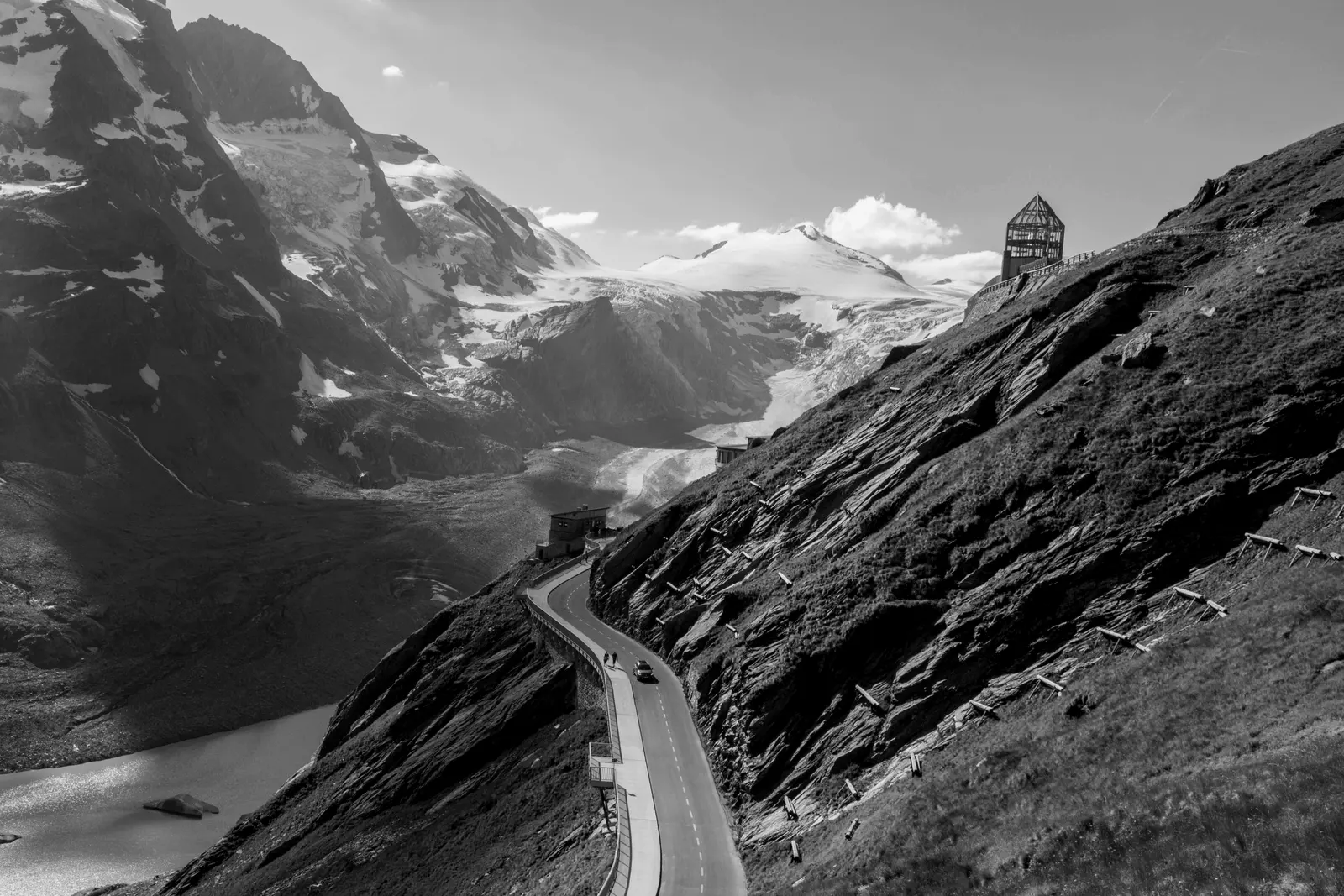
Feed stations and the long gaps between them
The organiser lists feed stations at Kühtai, the Brenner, the Jaufen, Schönau and the Timmelsjoch, and a Seeber Alm station that its route page lists without a kilometre.
| Kilometre | Place | Distance since the last listed feed |
|---|---|---|
| 49 | Kühtai | 49 km from the start |
| 121.5 | Brenner | 72.5 km |
| 153 | Jaufen | 31.5 km |
| 191.5 | Schönau (Gasthof) | 38.5 km |
| 196 | Timmelsjoch | 4.5 km |
| 227 | Finish, Sölden | 31 km |
The longest gap is the 72.5 km from Kühtai to the Brenner, which includes the long drop to Innsbruck and the start of the Brenner climb. Leave Kühtai with full bottles and plan to eat in the descent, not only when hungry.
For long days, a common aim is somewhere around 60 to 90 grams of carbohydrate an hour, for riders whose gut has been trained to take it. Ask ChatGPT or Claude to turn what you actually eat on long rides into an amount for each gap in this table, then keep it in the event’s notes in Athmex.
Am I ready for 5,500 m? Reading your long climbing days
The Ötztaler averages about 24 m of climbing per kilometre across 227 km. That is less steep per kilometre than the Marmotte but a longer day, and the passes come one after another, so readiness comes from sustained work, not from one big climb.
Many riders look at three things: the longest day they have ridden, the most climbing they have done in a week, and how much of their long rides they spend riding steadily uphill. Ask ChatGPT or Claude to compare those with the route, and to tell you what your last two long rides say about the first 120 km and the last 60.
If you have no mountains nearby, the trainer and the longest hill you can find can stand in. Indoor cycling with ChatGPT or Claude covers sustained work indoors, and long-distance cycling with ChatGPT or Claude covers the endurance base.
An Ötztaler training plan by month, from the draw to late August
The Ötztaler asks for hours of steady climbing across a long day. A late-August date gives a long build, and the draw means you may be training before you know if you have a start.
| Month | What the training is for |
|---|---|
| January | Application, steady aerobic riding and strength work off the bike. |
| February | Long seated efforts at a steady power, and the draw result. |
| March | Rides towards four hours, eating and drinking to a schedule on every one. |
| April | Two-hour blocks of climbing, real or indoor, and an FTP retest. |
| May | Back-to-back long days, the second ending on a long climb. |
| June and July | The biggest weeks: a day of seven hours or more with all the climbing your roads allow, on race gearing and food. |
| August | A short taper, travel to Sölden and the day’s plan settled. |
Tell ChatGPT or Claude your real week and your terrain, and it can fit these months around them. If you are not drawn, the same build suits another long Alpine day.
Entry: the January application, the draw and what to plan for
Entry is through the organiser. Its registration period starts in January, and only about 4,000 places are available, among thousands of interested riders. For the 2026 race registration ran until 31 January 2026 and groups of two to 35 could register. The pages checked do not give the 2027 dates, fee or conditions. Athmex doesn’t sell or manage entries.
The organiser states that the ride must be done with your own muscle power, so assisted bikes are out. For the 2026 race the start was at 6.30am, with a timed checkpoint at Kühtai at 9.30am and the last at the Timmelsjoch at 7.15pm, and missing a timing point meant disqualification. Look for the 2027 times in the participant information before you plan your pacing.
Ötztaler or Marmotte: how the two Alpine days differ
Both are huge Alpine days, and riders who want one often weigh the other. They ask for different things.
| Ötztaler Radmarathon | Marmotte Granfondo Alpes | |
|---|---|---|
| 2027 date | Sunday 29 August | Sunday 27 June |
| Distance | 227 km | 177 km |
| Climbing | 5,500 m | 5,000 m |
| Climbing per kilometre | About 24 m | About 28 m |
| Start and finish | Sölden, a loop through South Tyrol | Bourg d’Oisans to the top of Alpe d’Huez |
| Entry | January application and draw | Through the organiser, price rises in steps as places sell |
The Ötztaler is the longer and higher-climbing day with four passes, the highest last. The Marmotte is shorter and climbs harder per kilometre. Marmotte Granfondo Alpes training with ChatGPT or Claude covers the Galibier and Alpe d’Huez day.
What to bring to your Ötztaler training conversation
Put your Ötztaler date, current fitness, gearing and training week in one place before you ask for a plan.
- Event
- Ötztaler Radmarathon, Sunday 29 August 2027, and whether you have a place or are waiting on the draw.
- FTP
- Your current FTP and the date you tested it.
- Weight
- Your weight and roughly what the bike weighs, for climbing speed on the passes.
- Gearing
- Your chainset and cassette, above all your lowest gear for long gradients.
- Longest days
- Your biggest recent days, with distance, climbing and time.
- Recent rides
- The rides you have logged on Garmin, Wahoo, Strava or whatever you use.
- Weekly hours
- What you can really ride each week, indoors and out.
- Terrain
- How long your nearest climbs are, or whether you train mostly indoors.
- Fuelling
- What you eat on long rides, and what you stop wanting after eight hours.
- Constraints
- Injuries, work, family, and summer heat where you live.
Ötztaler rider training example
What a useful answer is built from: a dated FTP, real climbing days, gearing and hours.
The questionI may not get a place in the draw. How do I build for 5,500 m anyway?
A useful answer starts from 270 W at 78 kg and a 34 by 34 lowest gear. It compares the biggest day so far, 190 km with 3,100 m, with 227 km and 5,500 m, sets a power range for the long climbs that leaves something for the last one, and builds a plan that works whether or not the draw goes well.
Climbing training with ChatGPT or Claude covers the long, steady efforts this build relies on.
Example athlete profile
- Goal
- Ride the Ötztaler in one goFirst attempt
- Event
- Ötztaler Radmarathon · Sunday 29 AugustWaiting on the draw
- FTP
- 270 W · 3.5 W/kgTested in January
- Biggest day
- 190 km, 3,100 mLast September
- Lowest gear
- 34 by 34Compact chainset
- Weekly hours
- 9 to 11Two indoor evenings
- Constraints
- Work travel in JuneTwo weeks with a trainer only
- Max heart rate
- Not knownLeft blank until it’s measured
Questions to bring back during the build
An Ötztaler build runs from the January application to the last Sunday in August. These are the moments to come back, with the question you might ask.
When you apply, or when the draw result arrives
I’ve been drawn for the Ötztaler on 29 August. Save it as my main event and tell me what the winter is for.
A dated target lets every later answer count back from the day. Long-distance cycling with ChatGPT or Claude covers the base work.
After an FTP retest
I tested at 280 W today. Save it, then tell me how my power range for the first three passes changes.
A new FTP moves every estimate on this page. Save it with its date in Athmex. Raising FTP with ChatGPT or Claude explains how to test well.
After your biggest climbing day
I rode 210 km with 4,000 m in nine hours and faded badly on the last climb. What should July look like?
A real climbing day is the best evidence for your pacing on the Jaufen and the Timmelsjoch. Save it, and note where the fade started.
In race week
I arrive in Sölden on Thursday. Plan my last days, what I carry between feeds and my effort on Kühtai.
Race week is about arriving rested, with your gearing and food settled. What to tell ChatGPT or Claude before the day sets out what to share before the ride.
Getting your Ötztaler context ready
- 01
Build your athlete profile
Add the Ötztaler Radmarathon, 29 August 2027, and whether you have a place, then your FTP with its test date, weight, lowest gear, biggest climbing days and weekly hours. Leave what you don’t know blank.
- 02
Connect ChatGPT or Claude
We walk you through it inside Athmex, step by step. No coding.
- 03
Bring your recent rides in too
We’ll show you the available options for bringing your rides from Garmin, Wahoo, Strava and other platforms into ChatGPT or Claude.
Where AI help stops
ChatGPT or Claude can misjudge a goal, plan more climbing than your body can absorb or rescale a whole block from a stale FTP, so read its plan critically and check it against how you feel.
Descending, bunch riding and mountain weather are skills and judgements no chat can practise for you. Pain, illness, fainting or anything medical needs a doctor. No AI can examine you.
Ötztaler Radmarathon questions
Can ChatGPT make an Ötztaler Radmarathon training plan?
Yes. ChatGPT or Claude can draft and adapt an Ötztaler plan, which the organiser calls the Ötztaler Cycle Marathon in English. It’s more useful when it knows your FTP with its test date, weight, lowest gear, biggest climbing days and weekly hours. Athmex keeps those ready.
When is the Ötztaler Radmarathon in 2027?
Sunday 29 August 2027, starting and finishing in Sölden, Tyrol.
How long and how hilly is the Ötztaler Radmarathon?
The organiser gives 227 km with 5,500 m of climbing and four Alpine passes: Kühtai, the Brenner, the Jaufen and the Timmelsjoch. The highest point, the Timmelsjoch at 2,474 m, comes at about 196 km.
How do you get into the Ötztaler Radmarathon?
Registration opens in January and about 4,000 places are available, so places are allocated by a draw. The organiser sets the dates each year; check its site for 2027. Entries are made with the organiser.
Where are the feed stations on the Ötztaler Radmarathon?
The organiser lists Kühtai at 49 km, the Brenner at 121.5 km, the Jaufen at 153 km, Schönau at 191.5 km and the Timmelsjoch at 196 km, plus a Seeber Alm station.
What does Athmex add to ChatGPT or Claude?
Athmex keeps your athlete context ready for your Ötztaler build: event, route, FTP, weight, weekly hours, injuries and constraints. ChatGPT or Claude does the coaching. Athmex doesn’t import activity, but it shows you the best available way to bring your recent rides into ChatGPT or Claude for your setup.
Keep your Ötztaler build ready for ChatGPT or Claude.
Build your athlete profile once. Connect ChatGPT or Claude. Keep your event, FTP, weekly hours and constraints current from the first long ride to the start line.
You. Your fitness. Your activity data. Together in Claude and ChatGPT.