

L’Étape du Tour training with ChatGPT or Claude.
Prepare for 154 km and five Alpine climbs on the Tour’s own roads. Athmex gives your AI coach your event, FTP and the hours you really have. Create your free profile and we’ll show you the options for bringing your recent rides into the same conversation.
You. Your fitness. Your activity data. Together in Claude and ChatGPT.
Can ChatGPT or Claude help you train for L’Étape du Tour?
Yes. ChatGPT or Claude can plan a build towards the 2027 Étape from Cluses to Les Saisies, pace the long climbs from your FTP and weight, and fit the training around the hours you have. It needs your FTP and when you tested it, your weight and your longest recent rides.
Athmex keeps those in one athlete profile that ChatGPT or Claude can use in every conversation. The assistant gives the advice; Athmex keeps the context current.
- Event
- L’Étape du Tour de France
- 2027 date
- Sunday 11 July 2027
- Route
- Cluses (Haute-Savoie) to Les Saisies (Savoie)
- Distance
- 154 km
- Climbing
- 4,850 m, with five major climbs
- Riders
- 16,000 amateurs on the roads of the Tour
- Registration
- General registration opens on Monday 2 November at 2pm, French time
From the organiser’s presentation of the 2027 route. Time limits for 2027 are published with the event rules.
Your recent rides belong in the conversation too
An Étape build runs from late winter to midsummer, and mountain fitness is hard to fake. The useful questions come from the gap between the plan and the riding you actually did.
When your rides reach ChatGPT or Claude through your training platform’s own connection, your coach can see how the long days and the climbing are building, and what your power looked like on them. Routes differ by platform and by assistant.
Athmex doesn’t import activity. It keeps the context those rides are read against: your event, route, FTP, weight, weekly hours and constraints. Build your free athlete profile and Athmex will show you the best available way to bring your rides into ChatGPT or Claude for your setup.
From Athmex
Your event, route choice, FTP and when you tested it, weight, weekly hours, injuries and constraints.
From your training platform
The rides you’ve done, from Garmin, Wahoo, Strava and others, where a route exists for your setup.
In ChatGPT or Claude
One coaching conversation that can use both when you ask about your Étape build.
The 2027 route: Cluses to Les Saisies
The 2027 Étape starts in Cluses in the Haute-Savoie and finishes high in the Savoie at Les Saisies, on the same roads as the professional Tour de France. It packs 4,850 m of climbing into 154 km, about 31 m for every kilometre ridden.
| Part | What the organiser describes |
|---|---|
| The start | Cluses, with the Col de la Colombière in the opening kilometres: 15.9 km at an average of 7%, to 1,618 m. |
| The Aravis | Across the Aravis range after the Colombière. |
| The Arly valley | Down into the Arly valley before the Beaufortain. |
| The Beaufortain | The Col du Pré, close to Lac de Roselend. |
| The finale | Bisanne, 12.4 km at an average of 8.3%, the last major climb before the finish at Les Saisies. |
The organiser counts five major climbs and has published the figures for the first and the last. Plan from its full profile, and check it again before the day.
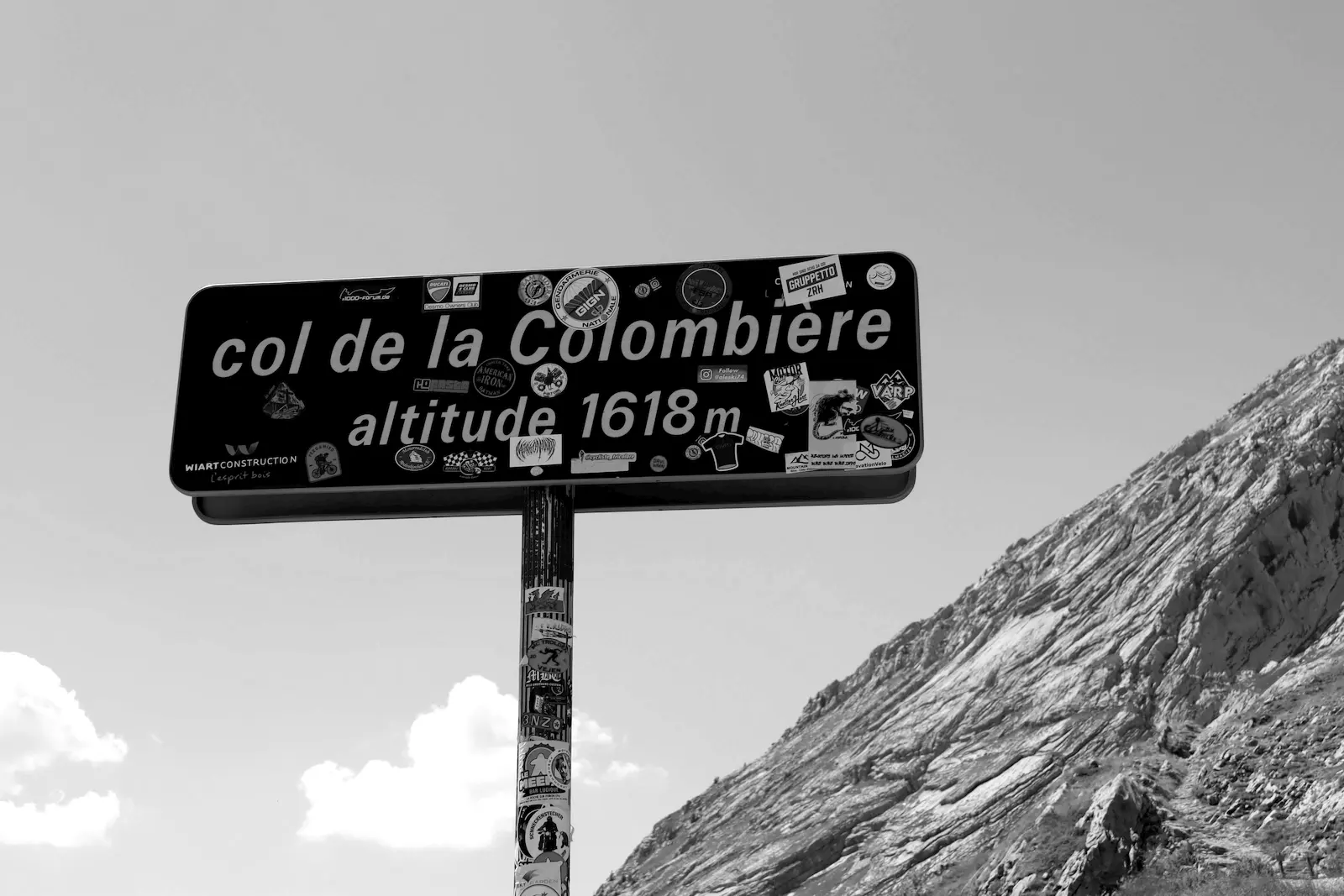
Two climbs that frame the day
From the organiser’s figures, the Colombière and Bisanne alone account for roughly 2,150 m of the day’s climbing. One comes in the opening kilometres, on fresh legs and in a crowd; the other comes at the end, on legs that have already done most of the day.
Physics gives a sense of the time involved. A rider and bike weighing about 84 kg, holding 200 W, climb an 8.3% slope at roughly 10 km/h. That makes Bisanne more than an hour and a quarter of continuous climbing, at the end of the day. Give ChatGPT or Claude your FTP, weight and bike weight and it can work out your own numbers.
FTP, W/kg, gearing and pacing
On climbs this long, speed comes down to watts per kilogram. The mistake is the Colombière: it comes first, the road is full and it feels easy at threshold. Hold it well below that, so the climbs in the second half still get your best power.
Pacing only works from a current FTP. Keep it in Athmex with the date you tested it, along with your weight, and the assistant can set power ranges for each climb instead of guessing. Cycling training with ChatGPT explains why the date matters.
Gearing is part of pacing. An average of 8.3% for 12 km is hard to ride steadily on gears chosen for rolling roads, and a compact chainset with a large rear sprocket keeps your cadence and power under control. Decide before you build your training around the bike.
Descents, weather and fatigue
What goes up comes down: long Alpine descents in a crowd of riders with mixed skills. Practise descending before July, and keep something in reserve, because concentration fades as fatigue builds.
July in the Alps can mean heat in the valleys, cold on a long descent and storms in the afternoon. Pack for all three, and tell your coach how you cope with heat so the plan includes riding in it.
A build for long climbs, from wherever you live
Most of the preparation is learning to hold steady power for a long time, then doing it again. If you live somewhere flat, long indoor efforts and long steady rides into a headwind stand in for climbs.
| Month | What the training is for |
|---|---|
| February and March | Aerobic volume and consistency. Indoor sustained efforts of 20 to 40 minutes. |
| April | Longer climbing efforts, up to an hour, and the first rides of four hours or more. |
| May | Long rides with climbing late in the ride, so you practise climbing tired. Retest FTP. |
| June | Your biggest weeks: back-to-back long days, ideally some real mountains, and fuelling practice. |
| July | A short taper, travel and the day’s pacing settled. |
Tell ChatGPT or Claude your real weekly hours and what terrain you have, and it can build the months around them rather than a plan written for someone living at the foot of the Alps.
Fuelling and the time limit
The organiser sets a finishing time limit and publishes the barriers for each edition with its rules. Build your pacing plan with a margin over them, so a puncture or a slow descent doesn’t end the day.
Carbohydrate is what runs out on a day like this. Many endurance riders aim for somewhere around 60 to 90 grams an hour once they have trained their gut to take it. Practise the amount on long rides and keep the plan in the event’s notes in Athmex.
Registration and getting there
General registration for the 2027 Étape opens on Monday 2 November at 2pm, French time, through the organiser. Athmex doesn’t sell or manage entries.
The start in Cluses and the finish at Les Saisies are in different valleys. Settle how you’ll get to the start and back from the finish when you book accommodation, using the organiser’s travel information.
What to bring to your Étape training conversation
Bring your L’Étape du Tour goal, current fitness and training constraints together before building the plan.
- Event
- L’Étape du Tour, Sunday 11 July 2027.
- FTP
- Your current FTP and the date you tested it.
- Weight
- Your weight and roughly what the bike weighs.
- Longest rides
- Your longest recent rides and climbs, with time and elevation.
- Terrain
- Whether you have real climbs near home or train mostly indoors.
- Weekly hours
- What you can really ride each week.
- Constraints
- Injuries, work, family and travel to the Alps.
Étape rider training example
Your FTP, recent rides and training availability make the difference between a generic plan and advice you can use.
The questionI live somewhere flat. How do I get ready for Bisanne at the end of a 154 km day?
A useful answer starts from 270 W at 78 kg, sets a sustainable power for Bisanne and builds indoor efforts towards an hour at that power. It adds long rides that finish with a hard climbing effort, and plans a week in real mountains in June if the calendar allows.
Climbing training with ChatGPT or Claude covers the sustained efforts this build needs.
Example athlete profile
- Goal
- Finish inside the limitsFirst Étape
- Event
- L’Étape du Tour · Sunday 11 JulyMain event of the year
- FTP
- 270 W · 3.5 W/kgTested in January
- Longest climb
- 35 minutesOn holiday last summer
- Weekly hours
- 7 to 9Two indoor sessions
- Terrain
- Flat, short hills onlyLong climbs indoors
- Max heart rate
- Not knownLeft blank until it’s measured
Questions to bring back during the build
An Étape build runs from late winter to July. These are the moments to come back, with the question you might ask.
After an FTP retest
I tested at 282 W today. Save it, then reset my power for the Colombière and Bisanne.
A dated FTP changes every target in the plan. Raising FTP with ChatGPT or Claude covers the testing.
When the long ride doesn’t happen
I’ve lost my long ride two weekends running. What matters most now?
The assistant can rebuild the weeks around what’s left. Why an AI plan ignores your schedule explains why it needs to know what changed.
After a week in the mountains
I rode four days in the Alps and my power faded on every last climb. What should June look like?
Real climbs are the best evidence of all. Save what you learned in your notes so later answers use it.
In race week
The Étape is on Sunday. Plan my last five days, my feeding and my power for the Colombière.
Race week is about arriving fresh, with travel, kit and pacing settled. What to tell ChatGPT or Claude before the day lists what the conversation needs.
Getting your Étape context ready
- 01
Build your athlete profile
Add L’Étape du Tour and its date, your FTP with its test date, your weight, longest rides and weekly hours. Leave what you don’t know blank.
- 02
Connect ChatGPT or Claude
We walk you through it inside Athmex, step by step. No coding.
- 03
Bring your recent rides in too
We’ll show you the available options for bringing your rides from Garmin, Wahoo, Strava and other platforms into ChatGPT or Claude.
Where AI help stops
ChatGPT or Claude can misjudge a goal, plan more climbing than your body can absorb or rescale a whole block from a stale FTP, so read its plan critically and check it against how you feel.
Descending, bunch riding and mountain weather are skills and judgements no chat can practise for you. Pain, illness, fainting or anything medical needs a doctor. No AI can examine you.
L’Étape du Tour de France questions
Can ChatGPT make an Étape du Tour training plan?
Yes. ChatGPT or Claude can draft and adapt an Étape plan. It’s more useful when it knows your FTP with its test date, your weight, your longest recent rides and climbs, and your weekly hours. Athmex keeps those ready.
What is the 2027 Étape du Tour route?
Cluses to Les Saisies on Sunday 11 July 2027: 154 km with 4,850 m of climbing and five major climbs, starting with the Col de la Colombière (15.9 km at 7%) and ending with Bisanne (12.4 km at 8.3%) before the finish.
When does Étape du Tour 2027 registration open?
General registration opens on Monday 2 November at 2pm, French time, through the organiser.
How hard is the 2027 Étape du Tour?
It averages about 31 m of climbing per kilometre. The Colombière and Bisanne alone add roughly 2,150 m, and Bisanne comes at the end, so pacing the first climb decides how the last one goes.
What does Athmex add to ChatGPT or Claude?
Athmex keeps your athlete context ready for your Étape build: event, route, FTP, weight, weekly hours, injuries and constraints. ChatGPT or Claude does the coaching. Athmex doesn’t import activity, but it shows you the best available way to bring your recent rides into ChatGPT or Claude for your setup.
Keep your Étape build ready for ChatGPT or Claude.
Build your athlete profile once. Connect ChatGPT or Claude. Keep your event, FTP, weekly hours and constraints current from the first long ride to the start line.
You. Your fitness. Your activity data. Together in Claude and ChatGPT.