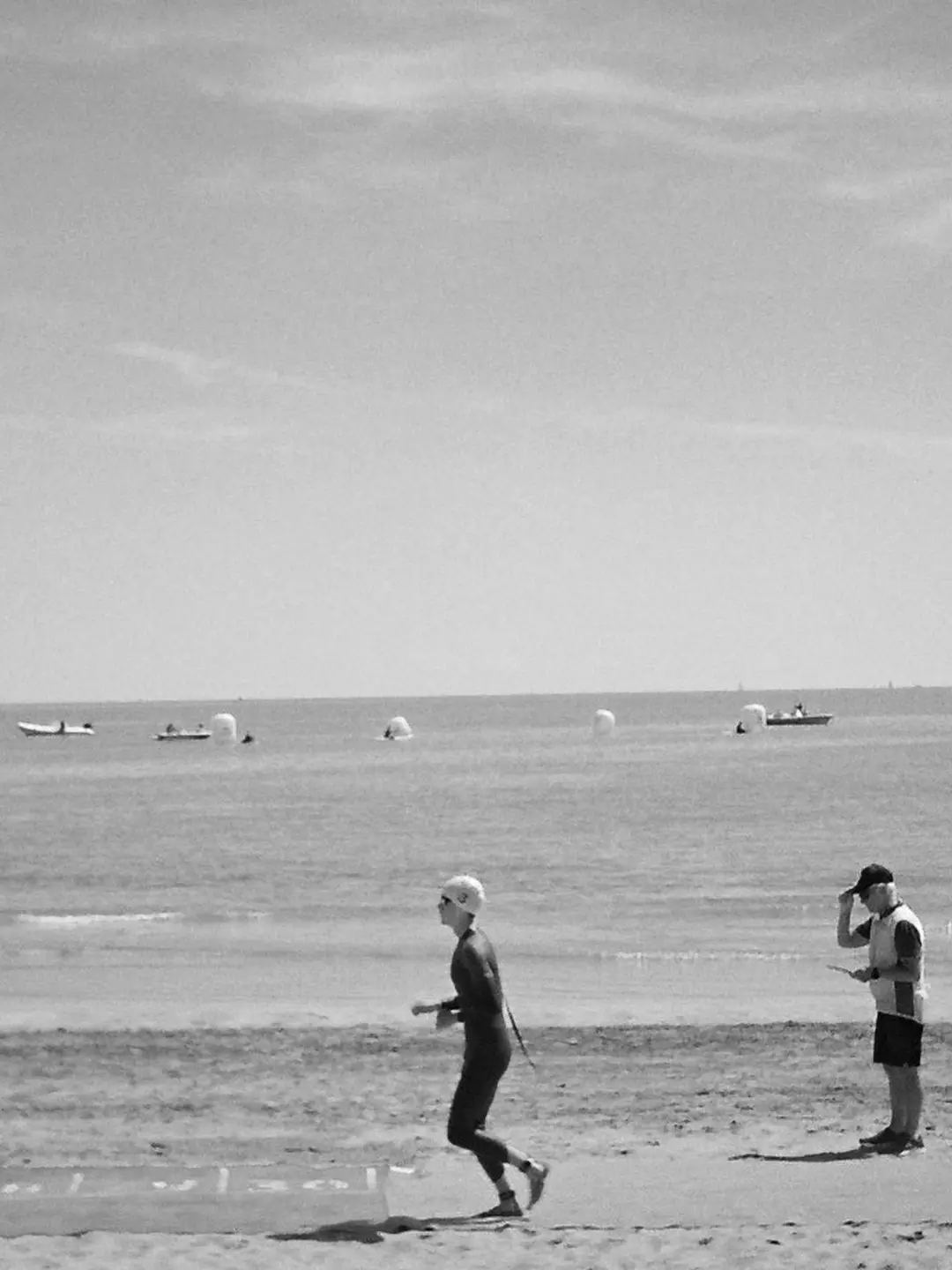
Sprint
The usual first race. Swim confidence and smooth transitions count.
- Swim
- 750 m
- Bike
- 20 km
- Run
- 5 km
- Total
- 25.75 km


Athmex keeps the important things about you across swim, bike and run ready for your AI: race goals, FTP, run threshold, critical swim speed, availability and the real-life constraints your training has to fit around.
14 days free · then $6.99/month · cancel anytime
Swim, bike and run each have their own fitness anchor, and a week of triathlon training only works if all three sports fit into the same hours. Leave any of it out and ChatGPT or Claude has to guess. These records close most of those gaps. Anything you don’t know is kept as unknown.
Here the question stays fixed and only the context changes.
The questionBuild my next four weeks for my triathlon.
It knows the question. It doesn’t know the race or the athlete, so it plans for an average triathlete.
It also knows:
Now the four weeks can pitch swim sets from 1:52 per 100 m, bike intervals from 240 W and run sessions from 4:45 per km. The swims can go on Monday and Wednesday, the Saturday ride can grow with a short run off the bike, and the run days can stay apart for the Achilles. The athlete is illustrative.
A sprint and a full-distance race share three sports and not much else. The swim can be 750 m or 3.8 km; the day can take just over an hour or most of the daylight. Each distance has its own page.
The usual first race. Swim confidence and smooth transitions count.
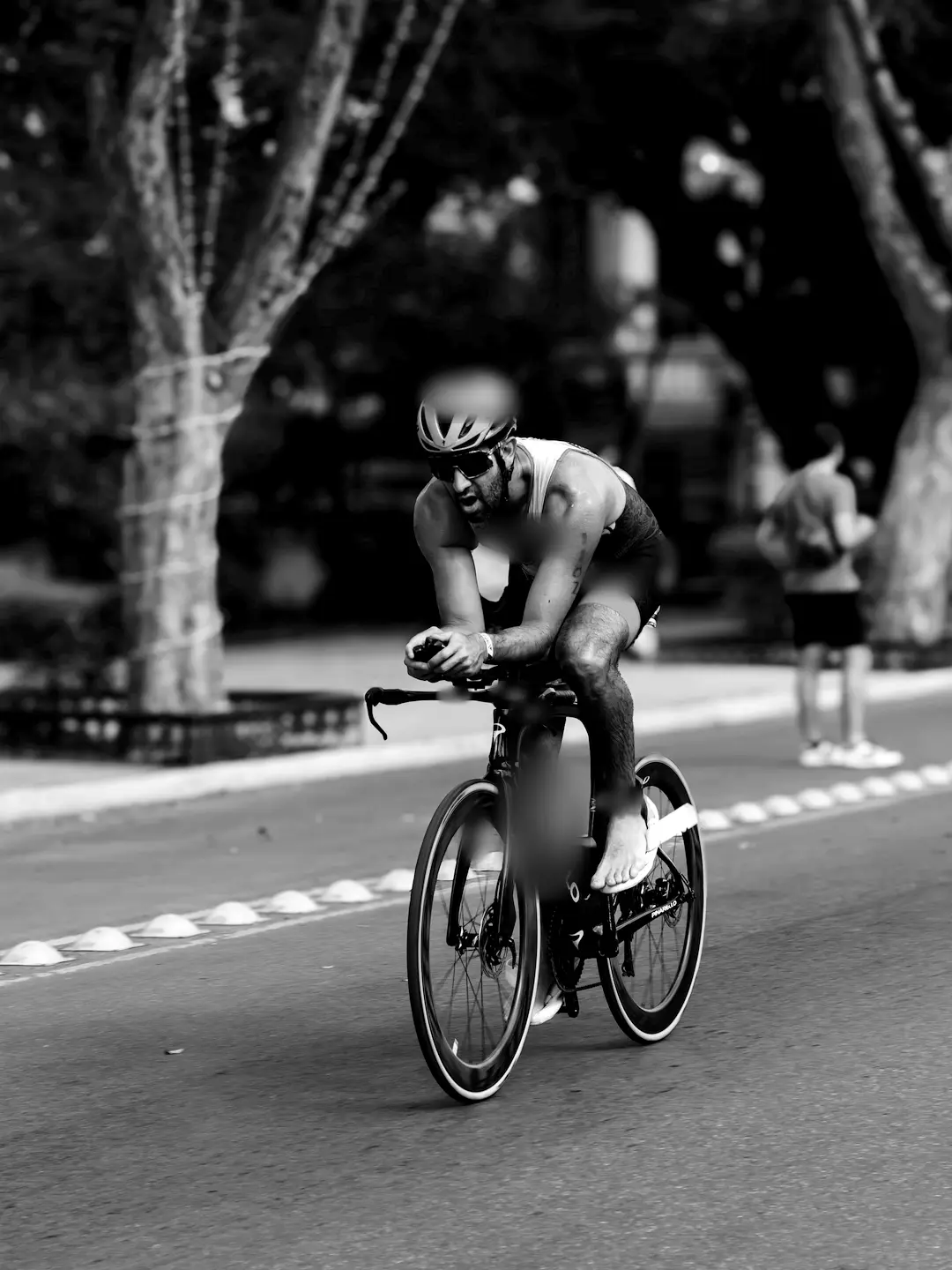
Standard distance. Speed and endurance in all three sports.
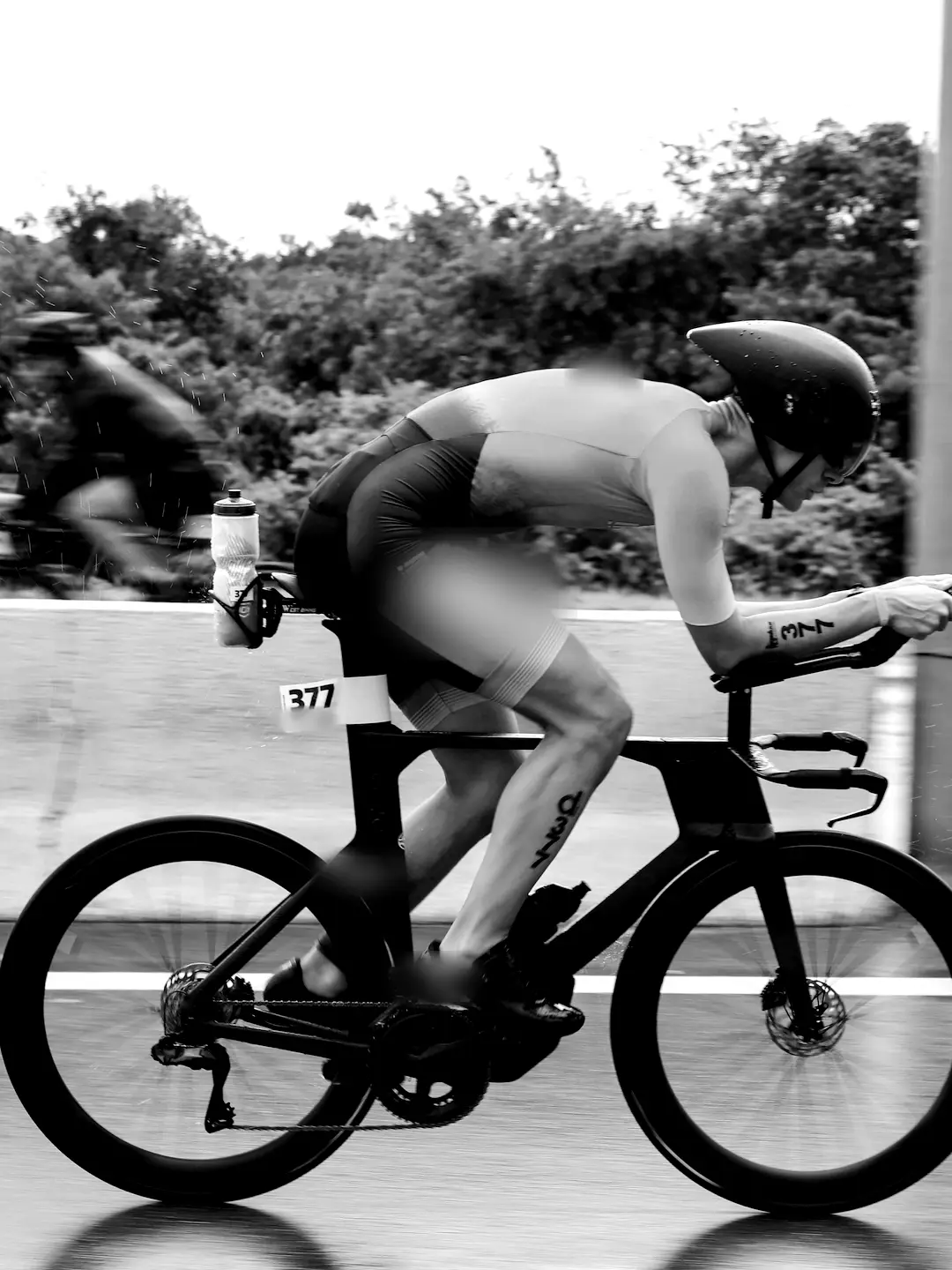
Sustained riding, then a long run at real pace.
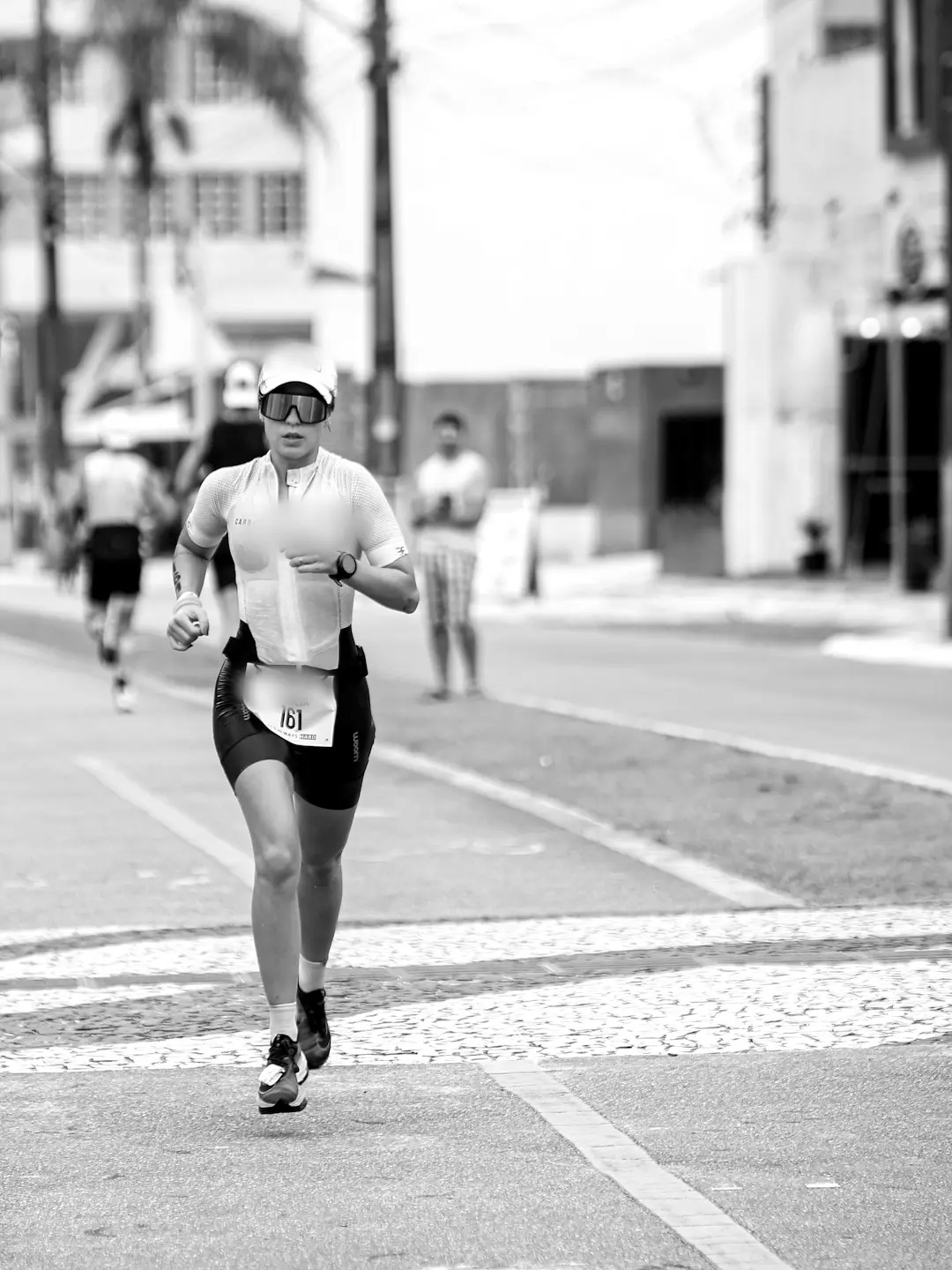
Middle distance. Pacing, fuelling and a strong half marathon.
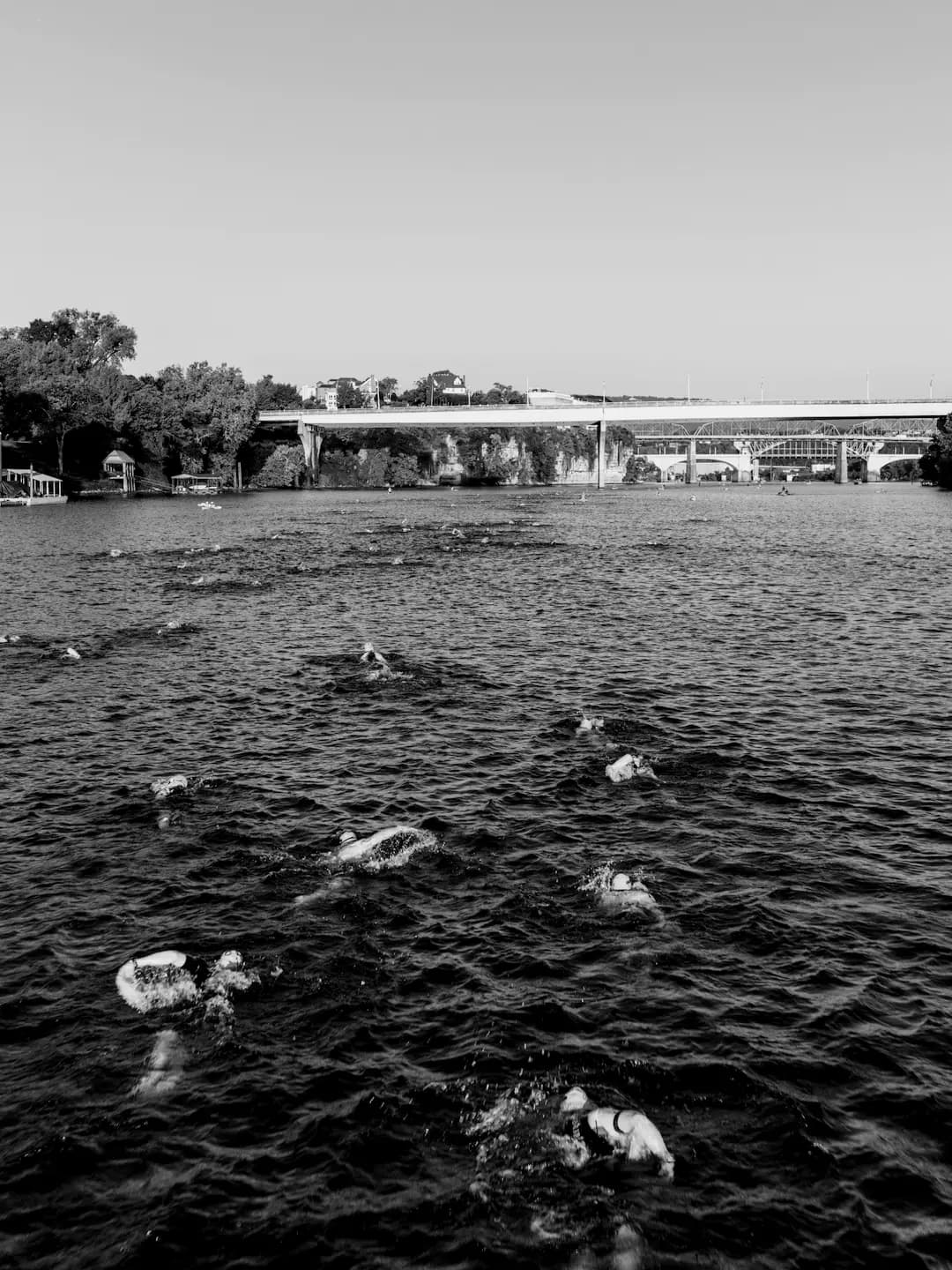
The Ironman distance. A whole day, and months of training.
Your Athmex profile tells ChatGPT or Claude who you are as a triathlete: your numbers in each sport, the race you’re training for, the hours you have and what the plan has to work around.
Triathletes often spread their training across several tools. A Garmin multisport watch records the swims and runs, a Garmin Edge or Wahoo computer sits on the bike, winter riding happens on Zwift, and everything ends up in Strava. Some athletes plan in TrainingPeaks, follow TriDot or HumanGO, or swim with FORM goggles. Each of these holds part of what you did.
Whether that data can reach ChatGPT or Claude, and how, depends on the platform and the assistant. Some have a route today and many don’t. Activity data tells the AI what happened in each session. Athmex tells it who the sessions belong to, what they’re building towards and how to read them. See which platforms have a route into ChatGPT or Claude.
Yes, if it knows enough about you. Ask for an AI triathlon training plan and ChatGPT can lay out a block, balance swim, bike and run across a week, suggest brick sessions, talk through race-day pacing and rework the plan when a work trip takes out three days. The quality of that help depends on the brief.
A ChatGPT triathlon training plan built from “I’m doing a 70.3 in June” has to invent your swim pace, your FTP, your run threshold and your weekly hours. It will still produce something that looks tidy. Athmex keeps those details in your profile, so you don’t have to type them out at the start of every chat.
Yes. Claude can build and adjust a multisport plan, explain why a session sits where it does, reason about how fatigue from a long ride affects the next day’s run and help you work around an injury or a busy week.
Athmex makes the same athlete profile available to Claude and to ChatGPT. Your CSS, FTP, run threshold, race and constraints live in one place, so you can use whichever assistant you prefer, or both, without keeping two versions of yourself up to date.
Personalised triathlon training starts with the race: its distance, date, course and how much it matters to you. Then your current level in each discipline, your recent training volume, your weekly hours, which days suit a long ride or a pool session, and anything that limits you, from a sore Achilles to a pool that’s only open before work.
Someone training for a first sprint may have no CSS, FTP or threshold pace at all, and that’s fine. Effort and recent sessions are enough to start with. An athlete chasing a qualifying slot often has all three and wants them used precisely. For the numbers that matter most and how to find them, read our guide to the three thresholds ChatGPT needs for triathlon.
Running plans lean on threshold pace and cycling plans on FTP. Triathlon needs both, plus a swim measure such as critical swim speed, because each sport’s sessions are pitched from its own number. They don’t translate. A strong cyclist can be a nervous swimmer, and a good runner can be new to riding with power.
Each anchor also goes stale on its own schedule. You might have tested FTP in spring, set a parkrun PB last month and not timed a swim since the winter. Athmex stores each value with the date it applied, so the assistant can tell which numbers are current. The triathlon guide goes through all three in detail.
There’s no fixed ratio. The balance depends on the race and on the athlete. A strong swimmer training for a full-distance race may keep swimming to three short sessions and give the time to the bike. A former runner may need more swim technique work than their fitness suggests. On a hilly course the long ride matters more.
Hard sessions also compete for the same recovery. A threshold run the day after a long brick costs more than it would in a running plan. When ChatGPT or Claude knows your weakest discipline, your race and which days you really have, it can put the key session for each sport where it will do the most good.
Three sports means three sets of logistics. Pools have lane-swim timetables. Long rides need daylight and a free morning. Open water may only be available in summer, and a run commute might be the only way some runs happen at all. A plan that ignores this looks fine on paper and falls apart by Wednesday.
Tell Athmex that the pool is Monday and Wednesday at 6:30, that the long ride has to be Saturday because Sunday is family time, or that the indoor trainer is the only midweek option. ChatGPT or Claude will then build around those facts in every conversation, without you having to repeat them.
A completed session can show a swim’s distance and pace, a ride’s power and elevation, or a run’s splits and heart rate, where those were recorded. It can’t say whether the ride was a race rehearsal or a recovery spin, which race it was for, whether your FTP is still current or whether your Achilles was sore afterwards.
Athlete context answers those questions, so the two work best together. Athmex doesn’t import or analyse activities. Sessions reach ChatGPT or Claude through your platform’s own connection where one exists, and the integrations page shows the route for each platform we cover.
An AI triathlon coach can’t see your swim stroke, check your bike fit or watch you run off the bike. It can’t diagnose an injury, it doesn’t replace a doctor, physio or swim coach, and it only knows what you and your connected platforms tell it. If an important fact is missing or out of date, it won’t know.
For self-coached age-groupers it can still be a capable planning partner: building the week, adapting it when life gets in the way and explaining the reasoning. Get a professional involved when pain, illness or anything unusual comes up, and consider a club or swim coach for technique.
Build your athlete profile once. Connect ChatGPT or Claude. Keep your race, your swim, bike and run numbers, your weekly hours and your real-life constraints ready whenever you ask about training.
14 days free · then $6.99/month · cancel anytime