
Use Garmin training with ChatGPT or Claude for AI coaching
Already use Garmin? Athmex gives ChatGPT or Claude the goals, PBs, races and real-life constraints behind your training, so its plans, workouts and race advice fit you. Create your free Athmex account to see your Garmin connection options.
You. Your fitness. Your activity data. Together in Claude and ChatGPT.

Can you connect Garmin to ChatGPT or Claude?
ChatGPT or Claude can turn your Garmin runs, rides and Training Readiness into more personalised coaching when it also knows your goals, fitness, PBs and races, which Athmex keeps ready in every conversation. Create your free Athmex account and we'll show you the available options for using your Garmin training in ChatGPT or Claude alongside your profile.
Garmin shows what happened. Athmex explains what you're training for.
Your training platform shows what you've done. Athmex gives ChatGPT or Claude the goals, fitness, races and real-life constraints behind it, helping your AI coach create better training plans, workouts and race advice.
Garmin records
- What you ran, rode and swam
- Pace, heart rate, cadence and power
- Sleep, HRV Status and Body Battery
- Training Readiness, Training Status and acute load
- VO2 max and Race Predictor estimates
Athmex adds
- The race that matters and its date
- Current PBs and the threshold you train to
- FTP with the date you tested it
- The days and hours you can train
- Recurring injuries and constraints
- What this block is for
You. Your fitness. Your activity data. Together in Claude and ChatGPT.
Garmin records much more than a workout
Most Garmin athletes live in Garmin Connect. A Forerunner, fēnix, epix, Venu or Instinct records every run, ride, swim and gym session with GPS, pace, heart rate, cadence and, on supported watches, running power. An Edge bike computer adds watts from a power meter, routes, elevation and structured workouts on the handlebar.
Around those sessions the watch builds a picture of your fitness: VO2 max, the Race Predictor, Training Status and a running estimate of load. Planned workouts, Garmin Coach plans and the routes you've followed sit in the same account.
That's a rich record of what you did. It becomes coaching input when an assistant can compare it with what you were trying to do, which is the gap Athmex closes.
Recovery data is only useful if the AI knows what you're recovering for
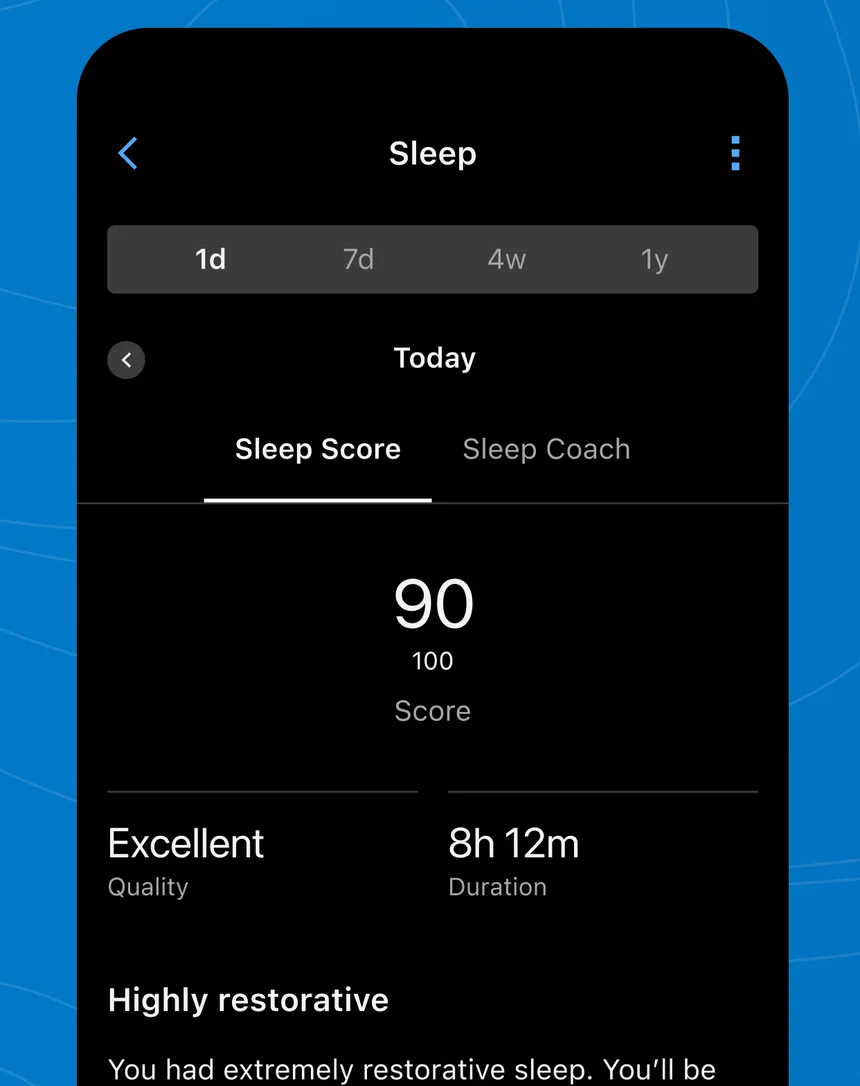
Garmin's recovery metrics are some of the most looked-at numbers on any wrist. HRV Status tracks your overnight heart-rate variability against your own baseline. Sleep Score grades the night. Body Battery estimates the energy you have left. Training Readiness combines sleep, recovery time, acute load and HRV into one morning number, and Training Status says whether your load is productive, maintaining or unproductive.
The same reading can point to different decisions. A low Training Readiness in week four of a marathon build might mean moving Thursday's intervals to Friday. The same number three days before the race is normal taper noise and shouldn't change anything. After a long-haul flight it might simply mean an easy day, whatever the plan said.
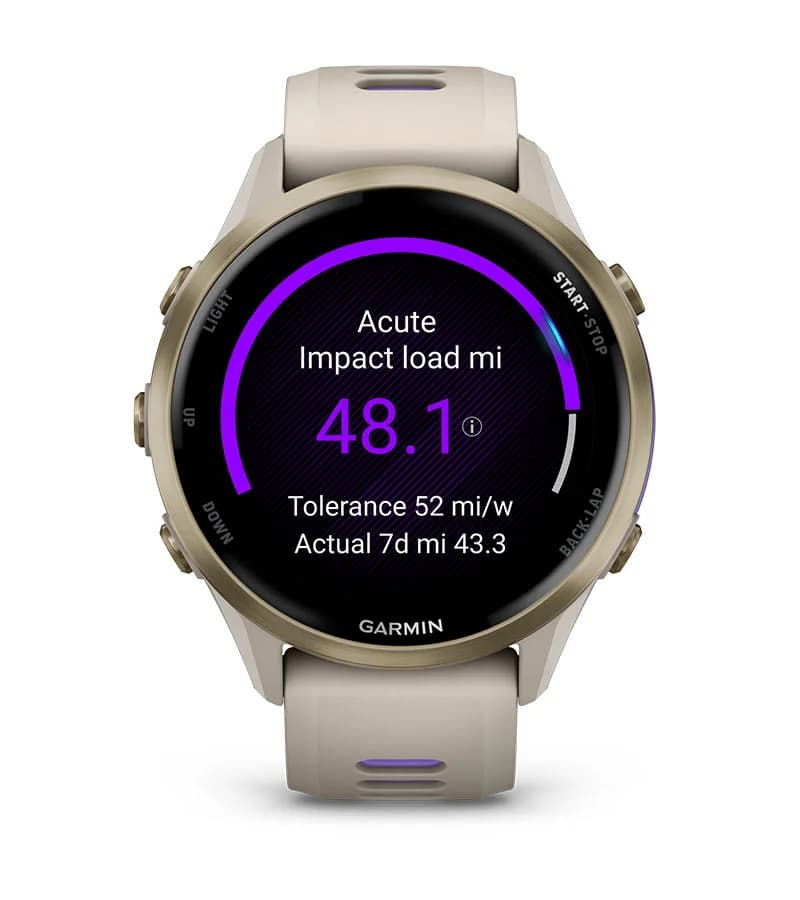
The deciding factors are ones Garmin doesn't store: the race date, the phase you're in, the purpose of today's session, what you did last week and the constraints of your life. Load focus and acute load describe the training; they don't say whether you're meant to be building or backing off.
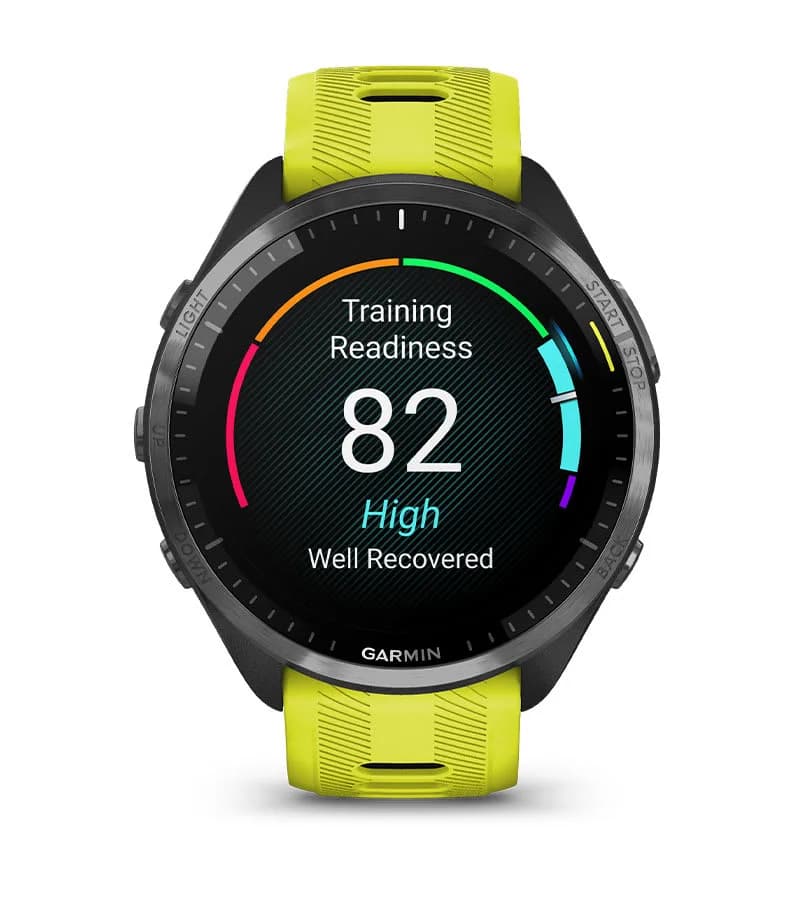
Forerunner and epix: using running data with AI
For runners, the useful Garmin data is the detail inside each run. Pace and heart rate across a threshold session, cadence and running dynamics as a long run goes on, running power on hills, and how the splits of a race-pace effort compare with the week before.
An assistant can look at that detail and ask better questions of it: whether the easy runs stayed easy, whether long runs are progressing sensibly, whether threshold sessions are drifting. The answers depend on reference points. Your threshold pace, your current 10K or half-marathon PB and the race you're preparing for turn a list of runs into an assessment.
The Race Predictor and VO2 max are useful here too, with a caveat. They're estimates from recent data. A predicted marathon time is a starting point for a conversation about your goal, not a target, and an assistant that knows your actual race history can say how far to trust it.
Long runs and race preparation
Ask how your last six long runs compare with what the race will demand, or how to pace the final block. With your race date and goal time in Athmex, ChatGPT or Claude can place each run inside the build rather than judging it on its own.
Garmin Edge: cycling power in an AI coaching conversation
An Edge unit paired with a power meter records watts, cadence and heart rate for every ride, alongside the route and elevation profile. Structured intervals ridden from the head unit show exactly how each rep went.
Power only becomes useful coaching input when it's read against the right numbers. Two hundred and fifty watts is threshold for one rider and tempo for another. The assistant needs your current FTP and when you last tested it, the event you're preparing for, how many hours you ride each week and whether this block is about climbing, time trialling or endurance.
With that context in Athmex, a ride summary becomes something ChatGPT or Claude can reason about: whether the intervals were pitched right, whether fatigue is showing in heart rate, and what the next ride should be.
From a Garmin number to a coaching decision
The value of AI coaching sits in the step from a number to a decision. A few examples of how athlete context changes the answer:
HRV Status falls before interval day
If your key session is two days from a goal race, the answer is different from week three of a base block. Athmex tells the assistant which week it is.
Edge power looks normal but heart rate is unusually high
Heat, illness, fatigue and a new power meter all produce this pattern. Knowing your recent load, your event and any notes you've kept helps the assistant suggest what to check first.
Body Battery is low after travel
A flight across time zones before a race changes the plan as well as your recovery. With the race date and your constraints, the assistant can reshape the next few days.
Race Predictor improves during a long build
Is it time to revise the goal? The assistant can weigh the estimate against your actual PBs and the weeks remaining.
Training Readiness is low during taper
Often expected. An assistant that knows you're tapering can tell you so, rather than suggesting you rest from a rest week.
What an AI coach can do with Garmin training
- Poor recovery before a key session
- HRV Status is unbalanced and Training Readiness is low on interval day. Talk through whether to move, shorten or keep the session, knowing where you are in the build.
- Training load versus race timing
- Acute load is climbing ten weeks out. Check whether that's the plan working or a warning, based on your race date and recent weeks.
- Threshold runs against your real threshold
- Review pace and heart rate on Tuesday's session against the threshold you've confirmed, not the watch's estimate.
- Cycling power versus FTP
- Look at an Edge ride's intervals against your tested FTP and your sportive goal.
- A week that no longer fits
- Long run moved to Wednesday, travel on Friday. Rebuild the week around what still matters.
Questions Garmin athletes ask about ChatGPT and Claude
Can Claude use sleep data from my Garmin epix Gen 2?
Yes, when you share the numbers from Garmin Connect. What usually matters more is context: what the poor night should change. With your race date, goal and constraints in Athmex, Claude can answer that properly.
Can ChatGPT use Garmin HRV Status?
Yes, when you share the relevant reading. Athmex keeps your race goals, training phase and constraints ready for ChatGPT, helping it put HRV Status into the wider training picture.
Can ChatGPT use Garmin Training Readiness?
It can reason about it when the number is shared, and explain what's driving it. The coaching decision, whether to train as planned, depends on your race date, the session's purpose and recent load. Athmex supplies the durable part of that picture.
How do I get my Garmin training into ChatGPT or Claude?
Create your free Athmex account and we'll show you the available connection options for Garmin with ChatGPT or Claude. Athmex keeps your goals, PBs and races in the same conversation, so the assistant reads your Garmin training against what you're training for.
Can Claude analyse Garmin Forerunner runs?
Claude can review your Forerunner runs when it has the relevant workout details. Athmex adds your PBs, threshold pace and upcoming races so the feedback reflects your goals.
Can ChatGPT use Garmin Edge power data?
Yes, when the ride's power data is shared. Keep your current FTP and its test date in Athmex so ChatGPT reads the watts against the right number.
Can AI use Body Battery to change my training?
It can help you decide. Body Battery is one signal among several. An assistant that knows your race, the week's key sessions and your constraints can suggest whether to adjust, and by how much.
How can Garmin Connect fit into AI coaching?
Garmin Connect keeps the record of what you did. ChatGPT or Claude does the reasoning. Athmex supplies the goals, PBs, thresholds, races and constraints that make the reasoning personal. Create your free Athmex account and we'll show you the available connection options for Garmin with ChatGPT or Claude.
Give ChatGPT or Claude your Garmin training, and the athlete context around it.
- 1
Create your free account
It takes a couple of minutes.
- 2
Build your athlete profile
Add your goals, races, PBs, thresholds, availability and constraints.
- 3
Connect Athmex to ChatGPT or Claude
One connection, and your assistant has your profile in every conversation.
- 4
See your Garmin connection options
Your Athmex account shows the available connection options for Garmin with ChatGPT or Claude.
You. Your fitness. Your activity data. Together in Claude and ChatGPT.