

Dublin Marathon training with ChatGPT or Claude.
Plan a Dublin build from the ballot to the last climb on Roebuck Road. Athmex gives your AI coach your race day, recent times and the week you really have. Create your free profile and we’ll show you the options for bringing your recent runs into the same conversation.
You. Your fitness. Your activity data. Together in Claude and ChatGPT.
Can ChatGPT or Claude help you train for the Dublin Marathon?
Yes. ChatGPT or Claude can build a Dublin plan through the summer, test your goal against your current fitness and prepare you for a course whose hardest climbing comes between 30 and 35 km. It needs your race day, dated results and the days you can train.
Athmex keeps those in one athlete profile that ChatGPT or Claude can use in every conversation. The assistant gives the advice; Athmex keeps the context current.
- Event
- Irish Life Dublin Marathon
- 2027 race day
- Sunday 24 October 2027, starting at 8.45am
- Start
- Leeson Street Lower, Dublin city centre
- Distance
- 42.2 km (26.2 miles)
- Entry
- Public ballot for 17,200 places, plus charity, Good for Age and tour operator routes
- Entry fee
- €130 plus platform fees
- Time limit
- Seven hours at the most recent race
The organiser’s published arrangements for the 2027 race; the time limit and course follow the most recent race until the organiser updates them.
Your recent runs belong in the conversation too
A Dublin build runs through the Irish summer, holidays and all. The useful questions come from the gap between the plan and the running you actually did.
When your recent runs reach ChatGPT or Claude through your training platform’s own connection, your coach can check how the long runs are building and whether last week went as planned. Routes differ by platform and by assistant.
Athmex doesn’t import activity. It keeps the context those runs are read against: your race day, goal, recent times and training week. Build your free athlete profile and Athmex will show you the best available way to bring your runs into ChatGPT or Claude for your setup.
From Athmex
Your race day, goal, PBs, threshold, training days, injuries and constraints.
From your training platform
The runs you’ve done, from Garmin, COROS, Strava and others, where a route exists for your setup.
In ChatGPT or Claude
One coaching conversation that can use both when you ask about your Dublin build.
The 2027 ballot, and the other ways in
Most places go through one public ballot. For the 2027 race it opens at 9am on Thursday 12 November and closes at midnight on Tuesday 17 November. Results follow on Wednesday 25 November, and successful applicants have until midnight on Monday 30 November to pay. The organiser expects 22,500 runners, with 17,200 places in the ballot.
The ballot fee is €4 plus platform fees. If you’re unsuccessful it comes back to you; if you’re drawn it counts towards the €130 entry. The platform fees aren’t refunded either way.
| Route | How it works |
|---|---|
| Charity place | A place through one of the official charity partners, each with its own fundraising commitment. |
| Good for Age | Criteria published on 1 December. Applications open 7 to 26 May 2027 for qualifying times from the three most recent seasons; the fastest times in each category win if it’s oversubscribed. |
| Tour operators | Places sold with travel by the organiser’s approved international operators. |
| Resale | Places released in the refund window go on sale from Wednesday 14 July, first come, first served. |
Athmex doesn’t enter you for anything. Once your place is confirmed, add Dublin and its date to your profile so every plan counts back from the right Sunday.
The course, section by section
Dublin is not a flat marathon, and its climbing isn’t spread evenly. This is the route as the organiser describes it for the most recent race. Check the 2027 course when it’s published.
| Section | What the road does |
|---|---|
| Start to 6 km | A downhill start from Leeson Street past St Stephen’s Green, through the Liberties by St Patrick’s Cathedral, a climb up Patrick Street towards Christchurch, then down to the Liffey. |
| 6 km to halfway | Into Phoenix Park along Chesterfield Avenue, a short climb near Castleknock, back out at Knockmaroon Gate and down through Chapelizod and Inchicore, then rolling roads past Kilmainham to halfway on the Crumlin Road. |
| Halfway to 30 km | Flatter running on Cromwellsfort and Fortfield Roads, then downhill on Templeogue Road into Terenure. |
| 30 to 35 km | Downhill on Dartry Road, an incline on Milltown Road, then about 3 km of climbing along Clonskeagh and Roebuck Roads, ending at the rise the organiser calls Heartbreak Hill around 35 km. |
| 35 km to the finish | Downhill on Fosters Avenue, over the Stillorgan Road flyover around 38 km, past RTÉ on Nutley Lane, then the long straight run along Merrion Road past the RDS to the finish. |
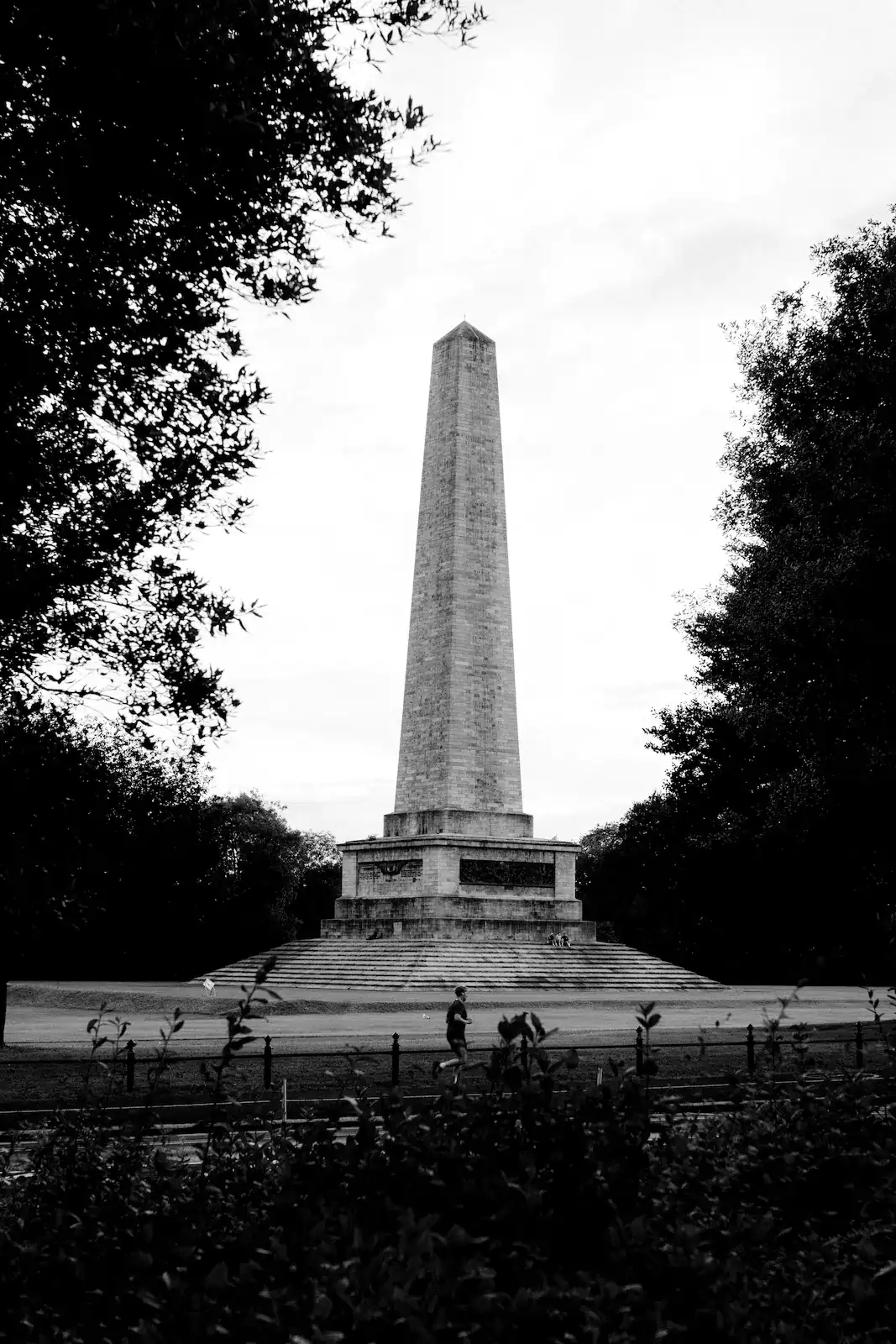
Pacing a course that saves its climbing for late
The downhill start makes the first kilometres feel easy, and time banked there costs more than it saves. The real test comes at 30 to 35 km, on Clonskeagh and Roebuck Roads, when fuel is running low and, for many runners, three hours of running are already in the legs.
Plan Roebuck by effort, not pace. A runner aiming for 4:59 per kilometre, a 3:30 finish, might let the climb run 10 to 20 seconds per kilometre slower and take it back on Fosters Avenue and the flyover. Train for it by finishing some long runs on rolling roads at goal effort, so the climb doesn’t arrive as a surprise.
Ask ChatGPT or Claude to split your goal into the five sections above. With your recent results in Athmex, it can tell you whether the target allows for that late climbing or quietly assumes a flat course. Why an AI plan paces you off your goal explains the risk.
A first marathon or a PB: two different Dublin builds
A late-October race puts the longest runs in August and September. The organiser’s own race series gives you checkpoints on the way: the Fingal 10K on Sunday 11 July, the Frank Duffy 10 Mile in Phoenix Park on Saturday 14 August and the Dublin Half Marathon in Phoenix Park on Sunday 19 September. Entries for all three open on Wednesday 10 February 2027.
Your first marathon
Time on your feet matters more than pace. Build the long run steadily towards 30 to 32 km, run most of the week easily, and treat the seven-hour limit at the most recent race as room to finish, not a target. Use the Dublin Half as a dress rehearsal for fuelling and kit, five weeks out.
A PB attempt
Marathon-pace work belongs on rolling routes, not just the flat. The Dublin Half is the best check on your target: a good half five weeks out tells ChatGPT or Claude far more about your marathon than a goal time you chose in spring. Save the result in Athmex with its date and ask it to recheck the plan.
Fuelling with what the course provides
At the most recent race, water came in bottles at miles 2.5, 7 and 16 and in cups at miles 5, 9.5, 11.5, 13, 19.5, 22.5 and 24. A sports drink was at 9.5, 13, 19 and 22 miles, and gels at 16 and 22 miles. Check the 2027 runner instructions, because brands and positions can change.
Markers on the day are in miles. If you train in kilometres, work out where your gels fall in advance. Gels on the course arrive only at 16 miles, so carry your own for the first two hours, and practise with the sports drink on long runs if you plan to use it.
Race week and race morning
Dublin starts in waves, with your race number’s colour setting your wave. At the most recent race, runners had to be in their wave by 8am, bag drop was at Merrion Square North and the official pacers ran with balloons in each wave. Start and finish are both in the city centre, which keeps the morning simple.
Late October in Dublin is usually cool, and it can be wet or windy. Plan what you’ll wear in the wave before the start and what you’ll throw away, and tell your coach about travel if you’re coming from abroad.
Refunds, transfers and the dates that matter if things go wrong
The organiser doesn’t offer general deferrals. Refunds open from 1 to 12 July 2027 with a €20 fee, and transfers to another runner from 21 July to 22 September 2027, also with a €20 fee. Deferrals are only for pregnancy or postpartum, requested at least 14 days before race day.
That makes early July a real decision point. If an injury in June has cost you weeks, ask ChatGPT or Claude what a realistic Dublin looks like from where you are, before the refund window closes.
What to bring to your Dublin training conversation
Bring your Dublin goal, current fitness and training constraints together before building the plan.
- Race day
- Sunday 24 October 2027, once your place is confirmed.
- Goal
- A first finish, a round-number time or a specific target.
- Recent races
- 10K, 10 mile, half-marathon or marathon times, each with its date.
- Threshold
- A recent threshold pace, if you know it, with when it was set.
- Current running
- How many days a week you run now and how long you’ve been consistent.
- Hills
- Whether your usual routes are flat or rolling, and any niggle that hills aggravate.
- Constraints
- Work, family, summer holidays and travel to Dublin.
Dublin runner training example
Your race goal, recent results and weekly availability give ChatGPT or Claude a better starting point.
The questionIs 4:15 realistic at Dublin, and how do I get ready for Roebuck Road when my Achilles complains on hills?
A useful answer starts from the 1:59 half, says that 4:15 is within reach if the long runs hold, and keeps hill work short and controlled on alternate weeks. It uses the Frank Duffy 10 Mile and the Dublin Half as checkpoints and moves the long run on shift weekends.
Can ChatGPT predict your marathon time? explains how far a half-marathon result can be stretched.
Example athlete profile
- Goal
- Finish under 4:15First marathon
- Race
- Dublin Marathon · Sunday 24 OctoberPlace confirmed in the ballot
- PBs
- Half 1:59:30 · 10K 54:10Half run in April
- Training days
- Four days a weekLong run Saturday
- Constraints
- Shift work every other weekendLong run moves to Monday
- Injuries
- Left Achilles stiff after hillsEasing, still watched
- Max heart rate
- Not knownLeft blank until it’s measured
Questions to bring back during the build
A Dublin build runs from midsummer to late October. These are the moments to come back, with the question you might ask.
After the Frank Duffy 10 Mile
I ran 1:28:40 in Phoenix Park on Saturday. Save it, then tell me whether my marathon target still looks right.
A dated result in August is worth more than a spring guess. Save it in Athmex and later answers use it. What to update after a race covers the rest.
When a shift weekend takes the long run
I’m working Saturday and Sunday. Where does this week’s 26 km go?
Saved constraints stop the assistant planning around a week you don’t have. Why an AI plan ignores your schedule explains why it needs to know what changed.
After the Dublin Half
I ran 1:56 in the half on Sunday. Should my Dublin goal move, and how do I pace the first 10 km?
Five weeks out is late enough to trust and early enough to adjust. Update the goal in Athmex if it changes, so the taper follows the race you’re now running.
In race week
My race is on Sunday. Plan my last five days and my effort for Clonskeagh and Roebuck Roads.
Race week is about arriving fresh, with your wave, kit and gels settled. What to tell ChatGPT or Claude before race day lists what the conversation needs.
Getting your Dublin context ready
- 01
Build your athlete profile
Add Dublin, its date and your goal, recent times, threshold if you know it, training days and anything hills aggravate. Leave what you don’t know blank.
- 02
Connect ChatGPT or Claude
We walk you through it inside Athmex, step by step. No coding.
- 03
Bring your recent runs in too
We’ll show you how to bring available activity data from Garmin, COROS, Strava and other platforms into ChatGPT or Claude.
Where AI help stops
A marathon build is long enough for small misunderstandings to add up. ChatGPT or Claude can misjudge a goal, pacing you off the target rather than your fitness, or suggest more than your body can take, so read its plan critically and check it against how you feel.
Pain that changes how you run, illness, fainting or anything medical needs a doctor or physio. No AI can examine you.
Dublin Marathon questions
Can ChatGPT make a Dublin Marathon training plan?
Yes. ChatGPT or Claude can draft and adapt a Dublin plan. It’s more useful when it knows your race day, goal, recent race times with dates, your current running and what you can train around. Athmex keeps those ready.
When is the 2027 Dublin Marathon?
Sunday 24 October 2027. The race starts at 8.45am on Leeson Street Lower in Dublin city centre.
How does the Dublin Marathon ballot work?
The public ballot for 17,200 places opens at 9am on Thursday 12 November and closes at midnight on Tuesday 17 November. Results come on 25 November and successful runners pay by midnight on 30 November. The €4 ballot fee is refunded if you’re unsuccessful and counts towards the €130 entry if you’re drawn.
Is the Dublin Marathon course hilly?
It isn’t flat. The early climb up Patrick Street and the Phoenix Park section are short, but about 3 km of climbing along Clonskeagh and Roebuck Roads comes between 30 and 35 km, which is where pacing matters most.
What is the Dublin Marathon time limit?
Seven hours at the most recent race, with tail walkers supporting runners near the limit. Check the 2027 runner instructions.
What does Athmex add to ChatGPT or Claude?
Athmex keeps your athlete context ready for your Dublin build: race day, goal, PBs, threshold, training days, injuries and constraints. ChatGPT or Claude does the coaching. Athmex doesn’t import activity, but it shows you the best available way to bring your recent runs into ChatGPT or Claude for your setup.
Keep your Dublin build ready for ChatGPT or Claude.
Build your athlete profile once. Connect ChatGPT or Claude. Keep your race day, times, training days and constraints current from the first long run to race week.
You. Your fitness. Your activity data. Together in Claude and ChatGPT.