
Integrations Huawei Health · Watches
Bring your Huawei Health training into ChatGPT or Claude.
Your Huawei Watch GT or Watch Fit already measures runs, rides, Training Load and recovery in detail. Build your Athmex profile so ChatGPT or Claude also understands your race, PBs, thresholds, availability and constraints, and reads those numbers against the goal they serve.
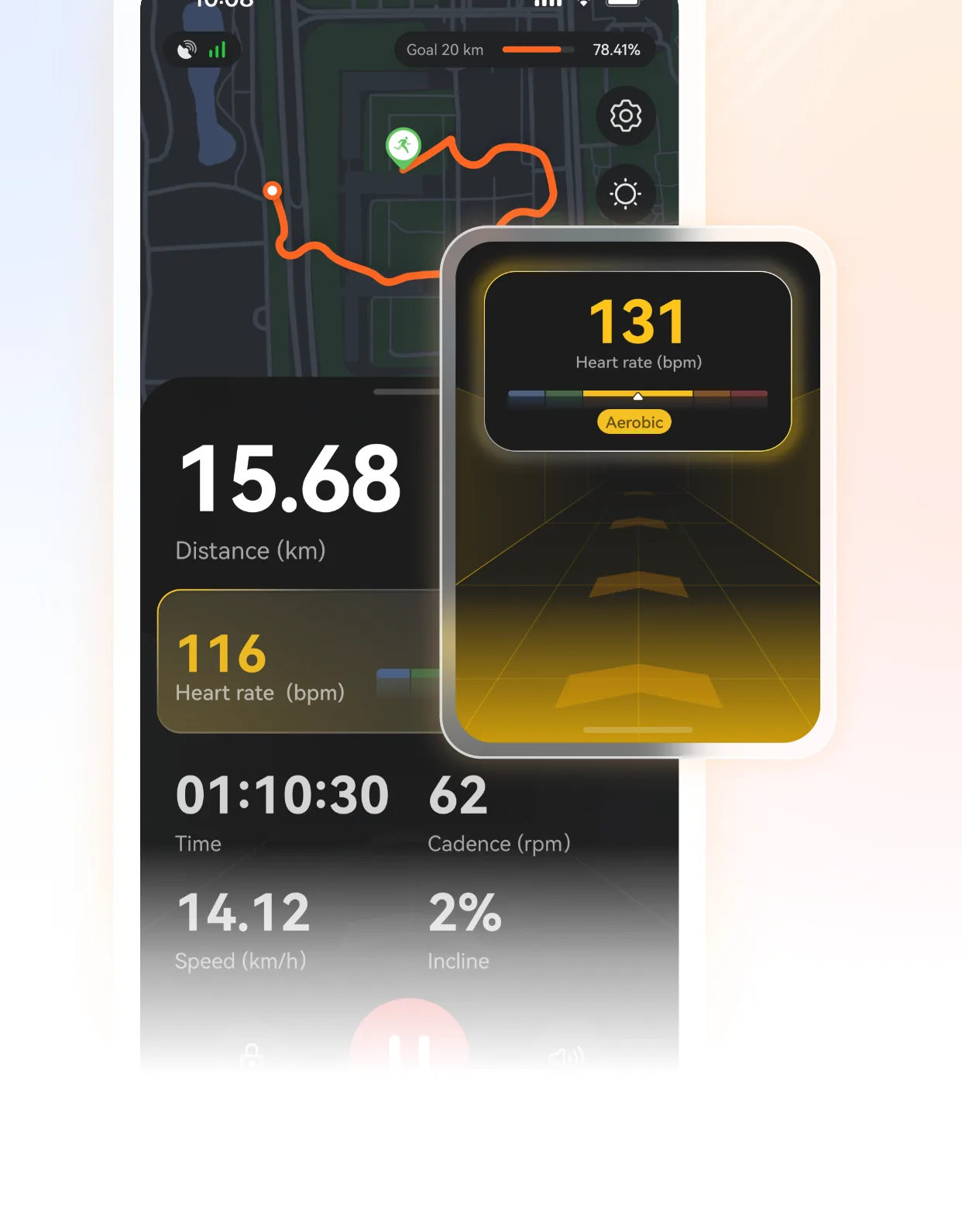
Can ChatGPT or Claude use Huawei Health training?
Yes. Huawei Health training can be part of a ChatGPT or Claude coaching setup. Routes for Huawei activity vary by phone and region, and you can always share workouts and metrics from the Huawei Health app in the conversation.
Huawei's running metrics are detailed, and the assistant still needs to know what they're for. Athmex keeps your target race, PBs, thresholds, availability and constraints ready. Start your Athmex profile, connect it to ChatGPT or Claude, and we'll help you bring your Huawei training into the same coaching setup. Athmex doesn't import Huawei data itself.
Huawei's running metrics, from RAI to Predicted Times
Huawei Health is unusually strong for runners. The Running Ability Index (RAI) scores running performance from pace and heart rate. VO2 max, Predicted Times for common race distances, pace zones and heart-rate zones sit alongside it. TruSport, Huawei's training system, brings those measures together.
Training Load tracks accumulated stress over recent weeks, split into aerobic and anaerobic training stress, and the Training Index shows whether your load is rising, holding or dropping. Recovery Time estimates how long before the next hard session.
Those are good numbers. On their own they describe fitness. An assistant turns them into decisions when it knows the race you've entered, the goal time and the weeks remaining.
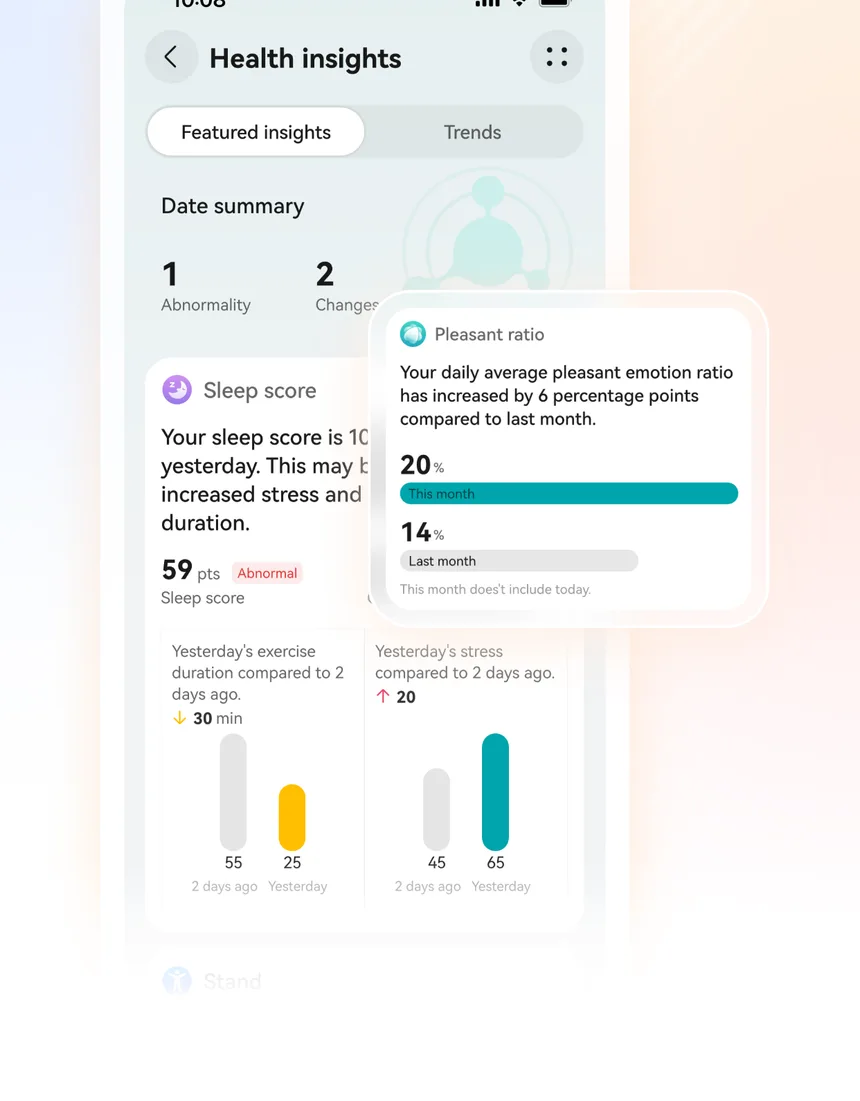
Predicted Times versus the goal on race day
Predicted Times estimate what you could race today. Your goal is what you want to run on the day. The gap between the two is where a coaching conversation starts: is the target realistic, and what needs to change to reach it?
ChatGPT or Claude can only have that conversation if it knows the goal, the race date and your real race history. Keep those in Athmex and the prediction is read against something you actually care about.
Training Load late in a build
A rising Training Load ten weeks out may be the plan working. The same curve five days before the race is a warning. The assistant needs your race date to tell the difference.
Recovery Time before a key session
If Recovery Time says 30 hours and Thursday is interval day, the answer depends on what the intervals are for and what else is in the week.
Cycling and other sports on Huawei
Huawei watches also record cycling with heart rate, speed and, with a compatible sensor, cadence. Keep your cycling goal and any FTP you've tested in Athmex so rides are read against the right reference points.
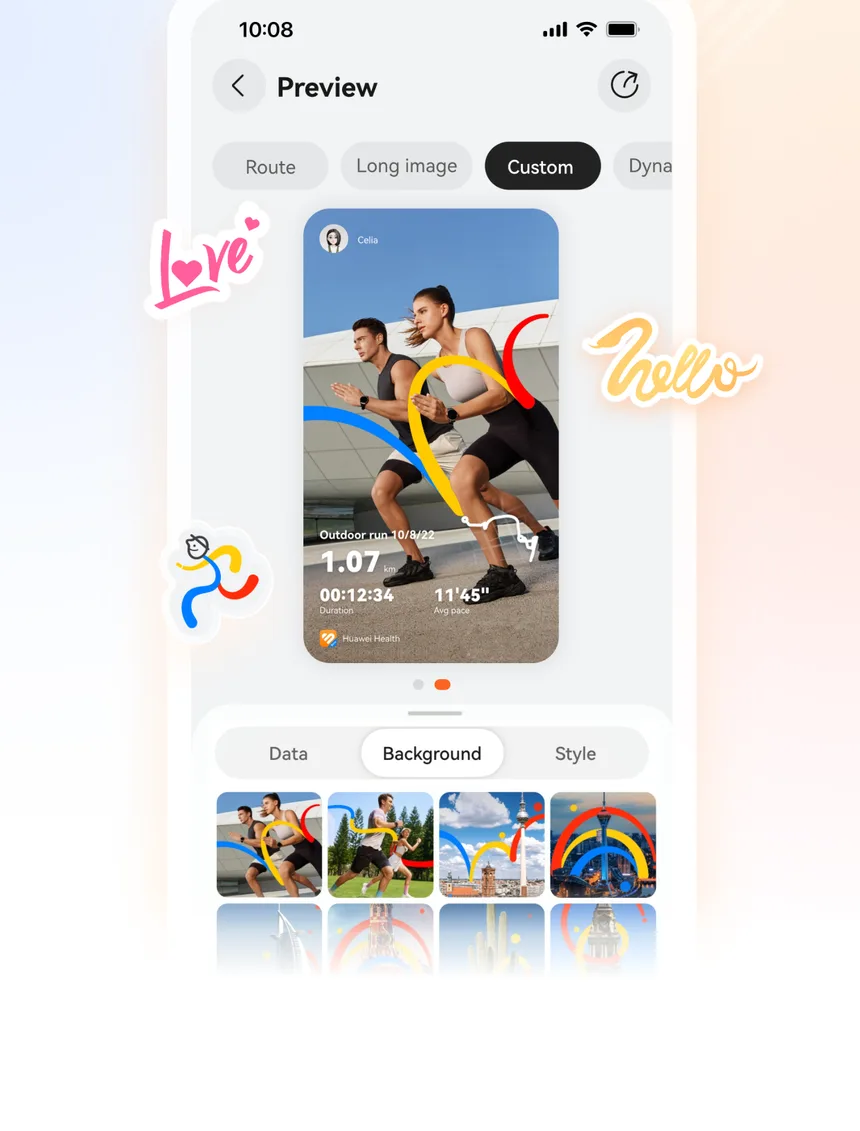
What ChatGPT or Claude can do with Huawei Health
- Sense-check Predicted Times
- Talk through whether your target race time is realistic, using your real PBs and the weeks left.
- Training Load against the plan
- Check whether the load curve fits where you are in the build.
- Recovery Time on interval day
- Decide whether to keep, move or shorten a session, knowing its purpose.
- Pace zones against your threshold
- Review your easy and hard runs against the threshold pace you trust.
Huawei Health shows what happened. Athmex explains what you're training for.
Your AI coach does the reasoning. It reasons better when it knows the athlete, and that part stays in your Athmex profile for every conversation.
Huawei Health records
- Runs, rides and workouts
- Running Ability Index and VO2 max
- Training Load and Training Index
- Recovery Time
- Predicted Times, pace and heart-rate zones
Athmex adds
- The race and its date
- Goal time and recent PBs
- Threshold pace you've confirmed
- Weekly availability
- Injuries and constraints
14 days free · then $6.99/month · cancel anytime
Questions Huawei Health athletes ask about ChatGPT and Claude
Can ChatGPT use Huawei Health data?
Routes differ by phone and region. You can always share workouts and metrics from the Huawei Health app, and ChatGPT reads them better with your goals and races in Athmex.
Can Claude use Huawei Running Ability Index?
It can reason about RAI when you share it. RAI is most useful set against your goal time, race date and recent results, which Athmex keeps ready for Claude.
Should I trust Huawei Predicted Times for my race goal?
Treat them as a starting point. An assistant that knows your race history and weeks remaining can say how far to trust the estimate.
What does Huawei Training Load mean for my next week?
It depends on the phase you're in. With your race date and plan in Athmex, ChatGPT or Claude can say whether the load is on track.
Give ChatGPT or Claude your Huawei running data, and the race it's building towards.
- 1
Start your free trial
Create your Athmex account in a couple of minutes.
- 2
Build your athlete profile
Add your goals, races, PBs, thresholds, availability and constraints.
- 3
Connect Athmex to ChatGPT or Claude
One connection, and your assistant has your profile in every conversation.
- 4
Bring in your training
We'll help you identify how to bring your existing training into the same coaching setup.
14 days free · then $6.99/month · cancel anytime